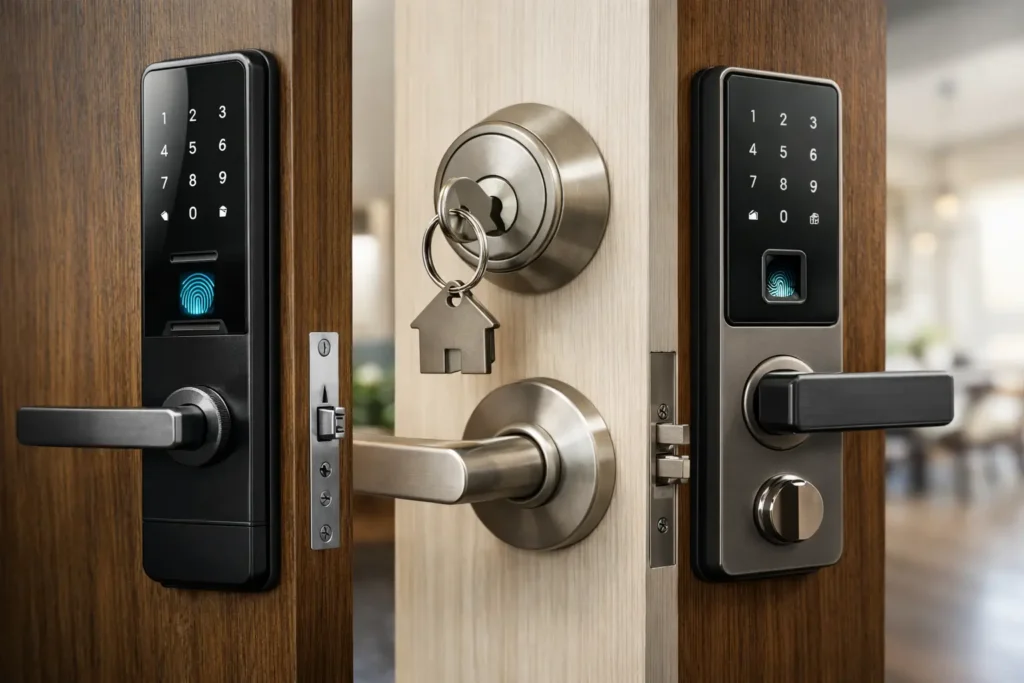
A worn key cylinder, loose handle, or door that no longer latches cleanly is more than an everyday annoyance. It can leave an HDB household worried about security, especially after a lost key, a tenant change, or an attempted break-in. The best locks for HDB doors are not always the most expensive models. They are the locks that fit your existing door properly, suit how your household enters and leaves, and are installed correctly.
For most HDB homes, the right choice comes down to three things: the condition and material of the main door, whether there is a metal gate, and how much convenience you want without sacrificing dependable access. A professional assessment helps prevent a common mistake – buying a lock first, then finding out it is unsuitable for the door thickness, backset, handle position, or fire-rated door requirements.
Start With the Door and Gate You Already Have
Many HDB flats have a timber main door with a separate metal gate. This arrangement gives you more than one possible security layer, but it also means the locks should work together rather than create unnecessary inconvenience. A strong main-door lock is usually the priority because it secures the actual entrance. The gate lock can provide added deterrence and lets residents speak with visitors before opening the main door.
Before choosing a replacement, check whether the current lock is a cylindrical knob lock, lever lock, mortise lock, deadbolt, rim lock, or digital lock. Replacing like for like may reduce drilling and repair work, but an upgrade can make sense when the old lock has become loose, keys are difficult to turn, or the latch no longer catches reliably.
Door alignment matters as much as the lock itself. A high-quality deadbolt can still feel unreliable if the door has dropped on its hinges or the strike plate is misaligned. A locksmith should inspect the whole locking point, including the frame, screws, latch, and door gap, before recommending a product.
Mechanical Locks: Dependable Choices for HDB Main Doors
Mechanical locks remain a practical option for homeowners who prefer a physical key, want a lower upfront cost, or do not want to manage batteries, PIN codes, or mobile access. They are familiar, durable, and straightforward to service when fitted properly.
Deadbolts for stronger main-door security
A deadbolt is one of the most useful upgrades for a main door because it uses a solid bolt that extends into the door frame. Unlike a basic spring latch, it cannot simply retract when pressure is applied to the latch area. A single-cylinder deadbolt is generally operated by a key from the outside and a thumbturn from the inside.
Deadbolts work well for many HDB timber doors, particularly when paired with a properly reinforced strike plate and sufficiently long screws secured into a solid part of the frame. The trade-off is convenience. Everyone who needs access must carry a key, and lost keys should be addressed quickly by rekeying or replacing the lock.
For doors with a viewer or glazing nearby, discuss the interior thumbturn arrangement with a locksmith. The correct setup depends on the door design and safe exit needs of the household.
Mortise locks for an all-in-one arrangement
A mortise lock is fitted into a pocket cut within the door edge. It commonly combines a handle latch and a locking mechanism in one body, making it a familiar choice for HDB main doors. It can be a neat option when replacing an existing mortise lock because the door may already have the required cutout.
A good mortise lock offers everyday convenience and can look cleaner than adding several separate lock bodies. However, sizes and handle centers vary. Choosing the wrong case size or cylinder length can leave visible gaps, require extra drilling, or result in a poor fit. This is one situation where measuring and professional installation are worth it.
Rim locks for certain door layouts
Rim locks are mounted on the surface of the inside of the door, with a cylinder or keyway accessible from outside. They are often suitable when a door does not have enough internal space for a mortise case or when the existing configuration calls for surface mounting.
Their performance depends heavily on the quality of the lock and the strength of the mounting area. A rim lock is not automatically weaker or stronger than every other option. It should be selected based on the door construction and paired with sound installation.
Digital Locks: Convenient, but Choose Features Carefully
Digital door locks are popular with households that want keyless entry. Depending on the model, you may enter using a PIN, fingerprint, card, tag, mobile app, or a backup mechanical key. They can be especially helpful for families with school-age children, elderly parents who struggle with keys, or residents who frequently arrange access for cleaners, relatives, or contractors.
The best digital lock is not necessarily the one with the longest feature list. Focus on the entry methods your household will actually use. A reliable PIN and fingerprint option is often enough. Extra app functions can be helpful, but they should not be the only way to enter your home.
Battery management is a key consideration. Most digital locks warn users before battery power runs low, but those warnings should not be ignored. Keep the emergency power method and backup key arrangement clear to all adult household members. If a lock uses temporary access codes, remove them after contractors or short-term visitors no longer need entry.
Digital locks also need the right door thickness, clearance, and handle position. On some doors, a digital lock can replace an existing lock neatly. On others, old holes may need to be covered, repaired, or incorporated into the new setup. A proper site check avoids an untidy installation and confirms that the door can close without the lock touching the gate.
Best Locks for HDB Doors With a Metal Gate
If your HDB flat has a metal gate, think of it as a second layer rather than a substitute for a secure main-door lock. Gate locks face more exposure to dust, moisture, and frequent use, so smooth operation and suitable material matter. A lock that sticks can cause a frustrating lockout even when the main door is perfectly secure.
For a gate, the right style depends on the gate frame and existing lock position. A padlock setup may be simple, but it can be inconvenient and may leave a key exposed to more handling. Gate-mounted cylinder locks or digital gate locks can provide a cleaner daily experience when the gate design supports them.
Check the clearance between the gate and main door before installing bulky handles or digital lock panels. When either door swings, there must be enough space to prevent collision. This small detail is often missed during a do-it-yourself purchase.
When a Lock Upgrade Is Better Than a Repair
Not every faulty lock needs full replacement. A stiff key may be caused by dirt, a dry cylinder, or door misalignment. A loose handle may need internal tightening. Repair is often the more affordable option when the lock body is still in good condition and replacement parts are available.
Replacement is usually the better call if the lock has been forced, the key has snapped inside repeatedly, the cylinder is heavily worn, the latch does not engage consistently, or spare keys are unaccounted for. Landlords and homeowners should also consider changing or rekeying locks after a tenant moves out, a domestic helper leaves, or keys are lost in a public place.
Avoid forcing a key or repeatedly slamming a door that will not lock. Both can turn a manageable alignment issue into a damaged latch, broken key, or more expensive emergency repair.
What Professional Installation Should Include
A lock should feel smooth from both sides of the door. The key should turn without excessive force, the latch or bolt should enter the strike plate cleanly, and the door should not need to be lifted or pushed hard to secure it. These checks are simple, but they make a real difference to daily reliability.
Professional installation should also account for existing holes, door condition, and the final appearance of the work. A good locksmith will explain whether your preferred lock is compatible, suggest a practical alternative if it is not, and test the operation with you before leaving. For urgent issues such as a jammed main door, lost key, or damaged lock, quick on-site help can restore access without unnecessary damage.
With more than 14 years of hands-on lock work, Pro-Smith and Lock helps HDB residents choose and fit practical replacements for main doors, gates, bedroom doors, and other access points. The goal is simple: a lock that works properly when you need it, without paying for features that do not suit your home.
A good lock should make coming home feel routine, not stressful. Choose one that matches your door, your household habits, and your ability to maintain it, then have it fitted carefully so the protection you paid for is actually there when the door closes.