A main door lock usually gets attention only after a key goes missing, a handle jams, or a tenant needs access at an inconvenient hour. The digital lock vs mechanical decision is easier when you focus on how the door is used, who needs entry, and what happens when something goes wrong. The best lock is not always the newest model. It is the one that gives your home or office reliable everyday access without creating a bigger problem during an emergency.
For Singapore homes, HDB units, offices, bedrooms, and glass doors, both lock types can be good choices when correctly selected and professionally installed. The right answer depends on convenience, maintenance expectations, door condition, and the people using it.
Digital Lock vs Mechanical: The Main Difference
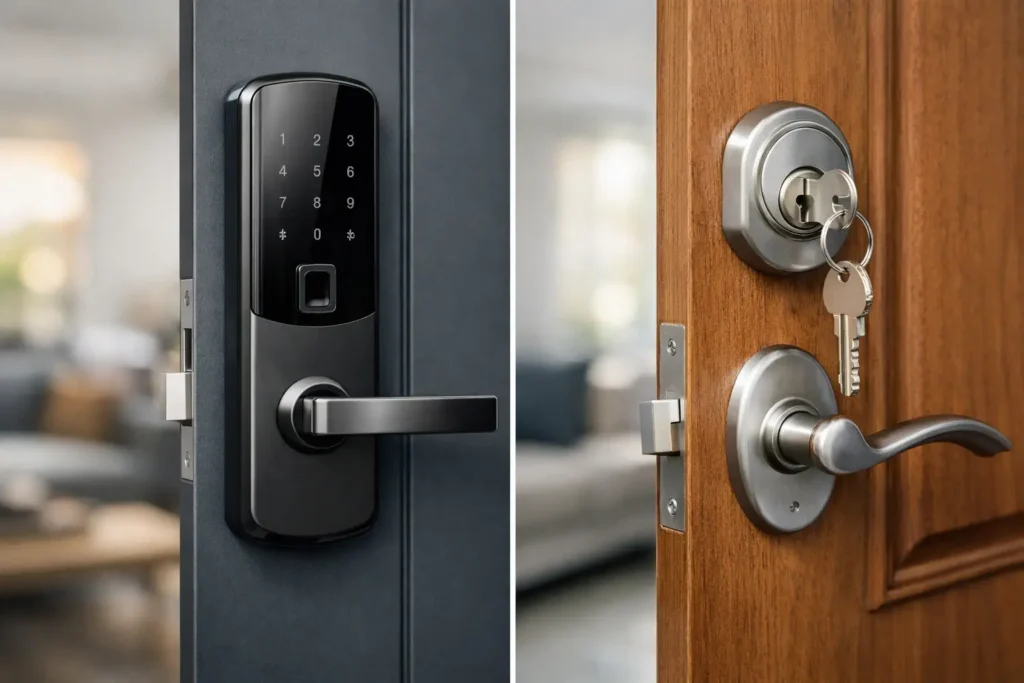
A mechanical lock works with a physical key, cylinder, latch, and internal components. It has no battery, app, fingerprint sensor, or keypad. A digital lock uses electronic access methods such as a PIN code, fingerprint, card, tag, mobile app, or a combination of these options.
The practical difference is simple. Mechanical locks rely on key control. Digital locks rely on access management. With a mechanical lock, you decide who has a key. With a digital lock, you can often add, remove, or change access without collecting keys back from every family member, employee, or tenant.
Neither option is automatically more secure. Security depends on the lock quality, the door and frame condition, the installation, and whether users follow good access habits. A high-quality mechanical lock on a solid door can be very dependable. A properly fitted digital lock can offer strong control over who enters and when.
When a Digital Lock Makes Sense
Digital locks are often chosen for convenience. They can be especially useful for busy households where family members regularly forget keys, for rental properties with changing occupants, or for offices that need controlled access for staff.
A keypad lock lets users enter with a code. A fingerprint lock avoids the need to carry a key at all. Some models also allow temporary passcodes, which can be useful for a cleaner, contractor, guest, or short-term worker. Instead of cutting another key, you can provide access for a limited period and remove it afterward.
For an office, digital access can reduce the issue of unreturned keys when staff leave. For a home, it can make daily entry easier when you are carrying groceries, managing children, or returning late. Many homeowners also prefer the clean appearance of a keyless main door lock.
However, digital locks are not maintenance-free. They need batteries, and the battery level should not be ignored. Most quality units give a low-battery warning well before power runs out, but delaying replacement can lead to a lockout. Electronic components can also be affected by poor installation, moisture exposure, physical damage, or a model that is not suitable for the door.
A digital lock should be installed with the correct alignment and door preparation. A lock that binds because the door is sagging or the strike plate is misaligned will not become reliable just because it has a fingerprint reader.
Best uses for digital locks
Digital locks are a practical fit for main doors, private offices, bedrooms requiring controlled access, and properties where several authorized people need entry. They are less suitable when users are unlikely to maintain batteries, when the door is exposed to unsuitable weather conditions, or when a very simple backup method is the priority.
Why Mechanical Locks Still Have a Place
Mechanical locks remain popular because they are familiar, dependable, and straightforward to service. There are no batteries to change and no software settings to manage. Insert the correct key, turn it, and the lock operates.
For many homeowners, that simplicity is exactly the point. A quality deadbolt, mortise lock, rim lock, or gate lock can provide strong daily security when installed on a suitable door. Mechanical locks are also often easier for elderly users or anyone who prefers a physical key over a code or fingerprint scan.
They can be a sensible choice for bedroom doors, mailbox locks, storage areas, metal gates, and doors where electronic hardware would be unnecessary. If a lock cylinder wears out, a locksmith can often replace or rekey the relevant parts without changing the full door setup.
The main drawback is key management. Lost keys create uncertainty. If a key was misplaced outside the property or remains with a former tenant, employee, or contractor, simply making a new key does not solve the security concern. Rekeying or replacing the cylinder may be necessary.
Keys can also be copied without the owner realizing it, depending on the key type and where it is taken. For businesses with several rooms or multiple users, keeping track of keys can become difficult over time.
Cost: Look Beyond the Purchase Price
A basic mechanical lock usually costs less than a digital lock. Installation may also be simpler if the replacement matches the existing cutout and door type. This makes mechanical locks attractive when you need an affordable, dependable replacement quickly.
Digital locks have a higher upfront cost because of the electronics, access features, and installation requirements. Some doors need modification, and not every digital lock works with every door thickness, handle position, gate arrangement, or frame design. Choosing the cheapest unit without checking compatibility can lead to poor alignment, unreliable latching, or unnecessary repair costs later.
The ongoing costs differ too. Mechanical locks may need key duplication, cylinder replacement, or rekeying. Digital locks need batteries and may eventually require servicing or replacement of electronic parts. A good decision considers the total inconvenience and cost over several years, not only the price on the first day.
Reliability During Lockouts and Emergencies
This is where planning matters most. A mechanical lock can fail if the key breaks, the cylinder jams, the latch is damaged, or the door is misaligned. A digital lock can fail because of depleted batteries, damaged electronics, an unresponsive keypad, or a forgotten code.
Most digital locks have emergency power contacts or a mechanical override key, but you should know how these features work before an urgent situation happens. Keep the backup key stored safely outside the locked property, not on a key hook inside. Replace batteries as soon as the low-battery warning appears, and use reputable batteries rather than mixing old and new ones.
For mechanical locks, keep spare keys with a trusted person or in a secure, separate location. Avoid forcing a stiff key or handle. Forcing it can turn a minor alignment problem into a broken key, damaged cylinder, or door opening emergency.
If you are locked out, a professional locksmith can assess whether the issue is a simple opening, a damaged lock, a faulty digital unit, or a door alignment problem. The goal should be to restore access with as little damage as possible, then provide a lasting repair rather than a temporary workaround.
Choosing for Homes, Rentals, and Offices
For a family home, a digital lock is often worth considering if convenience and flexible access are priorities. Choose a model with a reliable backup option, and make sure everyone in the household knows the basic operating steps. If you prefer a lower-maintenance setup, a quality mechanical main door lock remains a strong option.
For a rental property, digital locks can make tenant changes easier, especially when codes can be updated between occupants. Still, the lock must be durable enough for frequent use and properly fitted to the existing door. A mechanical lock with a new cylinder is often a cost-effective choice for landlords who want uncomplicated security.
For offices, the decision depends on staff numbers and access needs. A small office may be well served by a mechanical lock and controlled key system. A workplace with frequent staff movement, restricted rooms, or several authorized users may benefit from digital access. For larger setups, a master key system or key alike arrangement can also provide practical control without placing electronics on every door.
Get the Door Checked Before You Decide
A lock is only one part of the security setup. The door, hinges, frame, strike plate, handle, gate, and existing lock holes all affect what can be installed safely. Glass office doors, wooden main doors, metal gates, and bedroom doors each have different requirements.
Before replacing a lock, check whether the door closes smoothly and whether the latch lines up correctly. A door that needs to be lifted, pushed hard, or pulled into position may need adjustment first. Installing a new lock onto a poorly aligned door can shorten its working life, whether it is digital or mechanical.
Pro-Smith and Lock can assess the existing door setup, explain suitable options, and handle lock replacement or opening work when access is urgently needed. A professional assessment helps avoid buying hardware that looks right but does not fit or perform properly.
The right choice should make your daily routine easier, not leave you worried about the next battery warning, lost key, or jammed door. Choose the lock that matches the people using the door, maintain it properly, and address small warning signs before they become a late-night lockout.