A keypad lock vs mortise decision is not simply about choosing digital over traditional. It starts with your existing door, how people use it each day, and whether you need a quick upgrade or a more substantial change to the lock hardware. A lock that looks good online can still be the wrong fit if the door thickness, lock cutout, gate clearance, or frame condition is overlooked.
For a main door, HDB unit, bedroom, office, or rental property, the right choice should make access easier without creating avoidable repair costs later. Here is what homeowners and property managers should know before replacing a lock.
What Is the Difference Between a Keypad Lock and Mortise Lock?
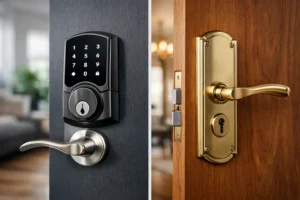
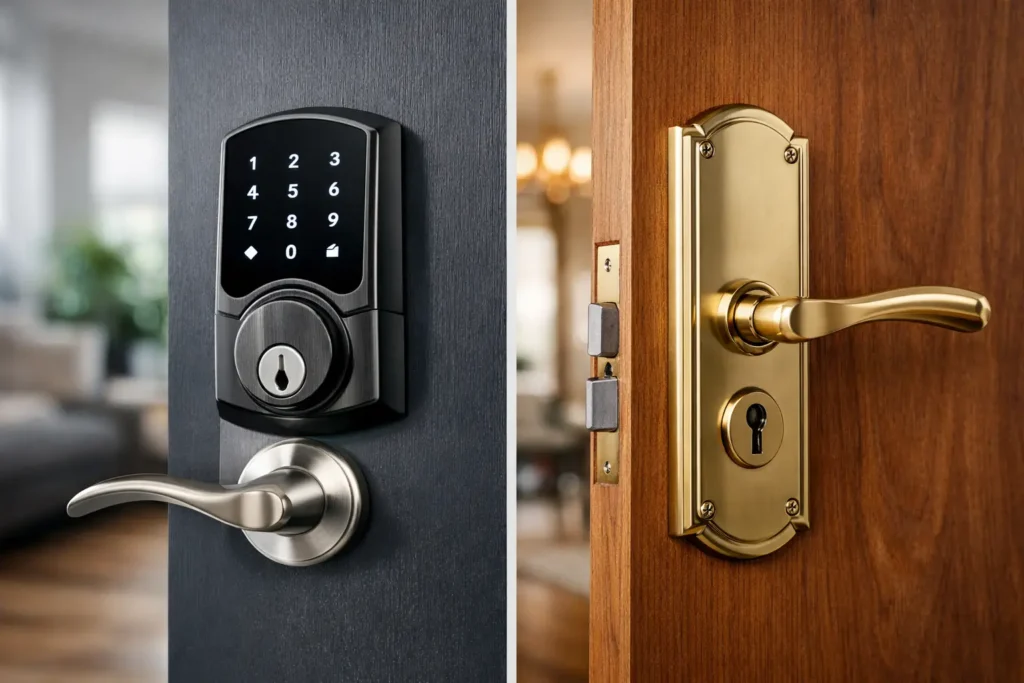
A keypad lock is an access method. Instead of using a physical key every time, you enter a PIN code. Depending on the model, it may also accept a key card, fingerprint, mobile app, or emergency mechanical key. Many keypad locks are installed as a replacement for a lever handle, a deadbolt, or a surface-mounted rim lock.
A mortise lock describes the way the locking mechanism is fitted into the door. The lock body sits inside a deep pocket cut into the door edge, with a handle and cylinder fitted on the faces of the door. Mortise locks are common on wooden main doors, fire-rated doors, and commercial doors because they can accommodate a substantial latch and deadbolt mechanism.
This distinction matters because some digital keypad locks are mortise locks too. They use a keypad or fingerprint reader on the outside while the main lock body sits inside the door. So the real choice is often between a surface-mounted keypad lock and a mortise-style lock, not necessarily digital versus mechanical.
Keypad Lock vs Mortise: The Practical Differences
The best option depends on what you need the lock to do. A keypad lock is usually chosen for convenience. A mortise setup is often chosen for a more integrated fit and a stronger hardware arrangement, especially where the door is already prepared for one.
Daily access and convenience
Keypad entry is useful for households where several people come and go at different times. You can give family members, tenants, cleaners, or staff a code instead of making extra keys. If someone no longer needs access, changing a code is usually quicker and safer than collecting every spare key or replacing a cylinder.
This is particularly helpful for rental units and offices. Some models allow temporary or time-limited codes, which can reduce the need to share a permanent entry code. However, convenience depends on good habits. Codes should not be obvious, and they should be changed after a tenant moves out, a staff member leaves, or a code has been shared too widely.
A conventional mortise lock works with a physical key and is straightforward for users who prefer no batteries, programming, or electronic components. It can be an excellent choice for a bedroom, office storeroom, or main door where reliable mechanical operation is the priority.
Security and door strength
Security comes from more than the lock type. The door material, frame, strike plate, hinges, installation quality, and how the door closes all affect the result. A premium digital lock fitted poorly to a weak frame is not a complete security upgrade.
A properly installed mortise lock can provide a strong, tidy arrangement because the lock body is protected within the door. Many models use a deadbolt and latch, and quality versions are suitable for doors that receive regular use. But a mortise lock requires accurate cutting. If an unsuitable door is cut incorrectly, the door edge may be weakened or the lock may not align properly over time.
A good keypad lock can also provide dependable security, particularly when paired with a suitable deadbolt or multipoint setup. Look beyond the keypad itself. Check the locking bolt, emergency override method, fire-rating requirements where relevant, and whether the model is designed for your door type.
Installation work and cost
This is where the difference becomes most obvious. A surface-mounted keypad lock may require less alteration when it is replacing compatible existing hardware. That can make installation faster and may reduce labor costs. It is often a practical option when the door is in good condition and the goal is keyless entry without major modifications.
A mortise lock installation is more involved. The door needs a correctly sized cavity, faceplate recess, handle holes, and precise alignment with the frame strike. If the door already has a mortise cutout, replacing the existing lock with a compatible model may be fairly direct. If it does not, the job may require careful drilling and cutting.
Do not assume a larger lock is automatically better. A narrow aluminum-frame door, glass office door, hollow-core bedroom door, or door with previous damage may need a different solution. The lock should fit the door, not force the door to fit the lock.
Maintenance and emergency access
Mechanical mortise locks need occasional attention too. Keys can bend, cylinders can wear, and latches can stick when a door sags or the frame moves. Still, there are no batteries to replace, which appeals to people who want simple operation.
Keypad locks require battery checks. Most quality units provide low-battery warnings and have an emergency power option, but those features only help when users act before the battery is fully depleted. Keep the emergency key available in a secure place and follow the manufacturer’s battery guidance.
If a digital lock stops responding, do not repeatedly force the handle or pry at the keypad. That can damage the lock, door, or wiring and turn a simple service call into a larger repair. A locksmith can check whether the issue is battery-related, caused by misalignment, a failed component, or an incorrect installation.
When a Keypad Lock Makes Sense
A keypad lock is often the better choice when you want to stop managing multiple physical keys. It suits busy families, rental properties, small offices, and anyone who has experienced lost keys or repeated lockouts. It can also be useful for a secondary entrance where approved users need occasional access.
Choose a model that matches your door and your actual routine. For example, a basic PIN keypad may be enough for a bedroom or office. A main entrance may benefit from a model with automatic locking, an audit trail, or multiple access methods. Extra features are only worthwhile if you will use and maintain them.
Before installation, check the door handing, thickness, clearance between the door and gate, and whether the handle will interfere with a grille, frame, or existing hardware. These details prevent the frustrating situation where a new lock cannot open fully after it has been fitted.
When a Mortise Lock Is the Better Fit
A mortise lock is often the sensible choice when your door already has a mortise body or when you want a clean, built-in appearance with a traditional handle. It is commonly suitable for solid wooden doors and high-use commercial doors, provided the lock case and door preparation are compatible.
It may also be the better option if you prefer a fully mechanical system. There is less user training, no code management, and no concern about batteries. For elderly family members, shared facilities, or properties where staff turnover is low, a quality key-operated mortise lock can remain a practical, dependable choice.
If you are replacing an existing mortise lock, bring attention to the backset, case size, cylinder type, handle spacing, and strike position. Two locks can look almost identical from the outside but have different internal measurements. Installing the wrong replacement can leave gaps, misalignment, or a door that does not lock smoothly.
Questions to Ask Before Replacing Your Lock
Before deciding, consider the door’s condition and the purpose of the space. Is it a main entrance that needs controlled access, a bedroom where simple privacy is enough, or an office door used by many employees? Does the door already have a mortise cavity? Will a digital lock clear the gate or door frame? Who will handle battery changes and access-code updates?
For fire-rated doors and commercial premises, compatibility matters even more. Altering a fire door incorrectly can affect its rating and operation. A professional should assess the door and recommend hardware that suits its construction and building requirements.
It is also wise to think ahead. If you have recently moved in, lost keys, or changed tenants or staff, consider whether a rekey, lock replacement, key alike system, or master key system would solve the wider access issue better than changing one lock alone.
Get the Lock Fit Checked Before You Buy
The most affordable lock is not always the one with the lowest purchase price. A lock that does not suit the door can lead to extra cutting, patching, repeat visits, or an early replacement. A quick on-site assessment helps identify the right lock format before money is spent on unsuitable hardware.
Pro-Smith and Lock can assess main doors, bedroom doors, office doors, and other common access points, then recommend a practical replacement based on the door and the level of access you need. If you are locked out, dealing with a damaged lock, or planning an upgrade, getting the fit checked first can save time and prevent a rushed decision later.