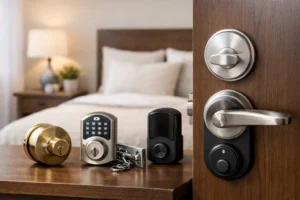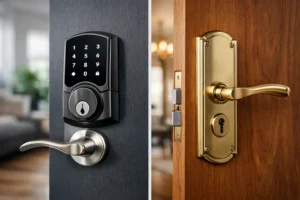
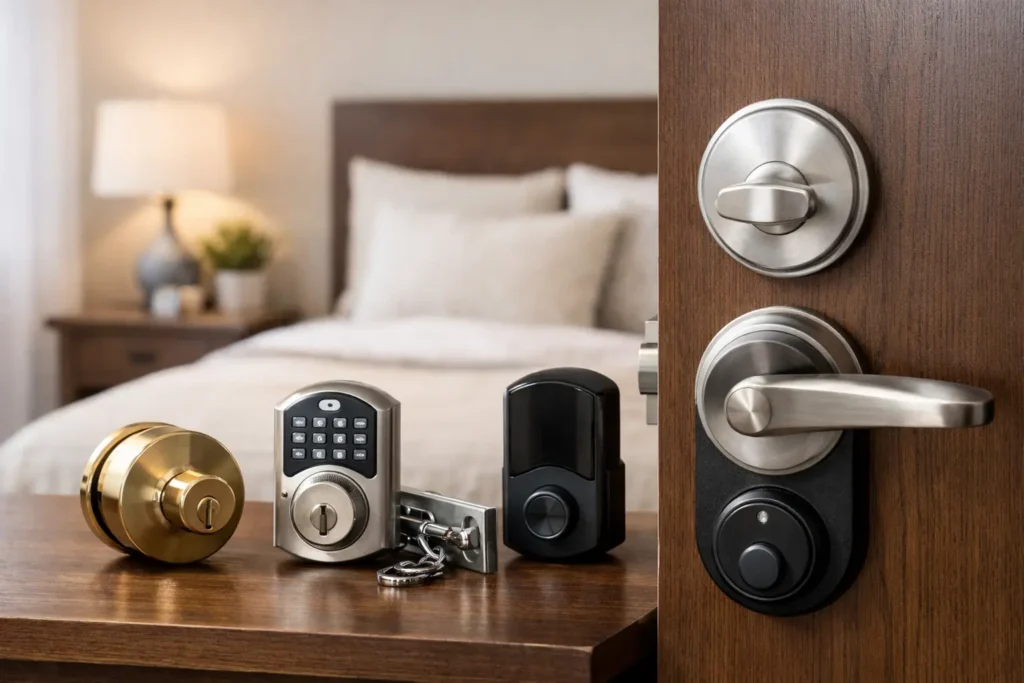
A bedroom lock should make it clear when a room is private without creating a bigger problem when someone needs help. The best locks for bedroom privacy are easy to use from inside the room, release safely in an emergency, and suit the door you already have. For most homes, the right choice is not the strongest lock available. It is the one that gives occupants privacy, works reliably every day, and can be opened without damage if there is a lockout.
Whether you are replacing a worn bedroom knob, setting boundaries in a shared home, or improving privacy for a tenant, start with the lock function rather than the finish. A lock that looks good but does not fit the door, latch opening, or household routine will become a daily frustration.
What a Bedroom Privacy Lock Should Do
A standard bedroom privacy lock is designed to prevent casual entry, not provide high-security protection against forced entry. It normally locks from the inside with a push button or thumbturn. From outside, there is usually an emergency release hole or slot that can be opened with a small privacy key or suitable release tool.
That outside release matters. If a child accidentally locks the door, someone becomes unwell, or the lock jams, family members need a safe way to gain access. For this reason, a privacy lock is usually a better bedroom choice than a keyed-entry lock in a family home.
The best option also depends on who uses the room. A child’s bedroom, a master bedroom, a rental room, and a home office all have different privacy needs. Consider the door material, thickness, swing direction, and whether the door has a standard bored hole before buying anything.
6 Best Locks for Bedroom Privacy
1. Privacy Knob Locks for Simple Bedroom Doors
A privacy knob lock is the familiar round doorknob with a button or turn lock on the inside. It is a practical choice for many interior wood doors because it is affordable, uncomplicated, and easy for most people to operate.
Choose this style when the existing door already has a knob-sized hole and the current latch is in reasonable condition. It is a good replacement for a loose, damaged, or outdated bedroom knob without changing the look of the door significantly.
The trade-off is grip. Knobs can be harder to turn for older adults, young children, or anyone with limited hand strength. If that is a concern, a lever handle is often more comfortable.
2. Privacy Lever Locks for Easier Access
Privacy lever locks use a handle rather than a round knob, with an inside thumbturn or push-button lock. They are often the best all-around choice for bedrooms where ease of use matters. A downward handle motion is generally simpler than gripping and twisting a knob, especially when hands are full.
Levers also work well on many newer interior doors and can give a room a cleaner, more modern appearance. Check the handing of the lever before installation. Some models are reversible, while others are made specifically for left-hand or right-hand doors.
Do not select a lever based on appearance alone. A poorly fitted latch can cause sticking, sagging, or difficulty locking. The strike plate and door alignment need to be checked at the same time.
3. Thumbturn Privacy Locks for Clearer Control
A thumbturn lock offers a deliberate twist from inside the bedroom rather than a button that can be pressed by accident. This makes it a popular choice for adults who want a clearer indication of whether the room is locked or unlocked.
Many thumbturn privacy sets include an emergency release on the outside. They are useful for bedrooms, bathrooms, and study rooms in homes where privacy is needed regularly but emergency access must remain possible.
The main consideration is quality. Cheap thumbturn mechanisms can become loose or fail to retract smoothly after repeated use. A solid latch and properly installed strike plate make more difference than an expensive-looking handle.
4. Keyed Entry Locks for Adult-Only Private Rooms
A keyed-entry knob or lever can provide more control than a standard privacy lock. It may suit an adult-only room, a shared rental arrangement, or a bedroom used to store personal documents and valuables. The door can be locked from outside with a key, which gives the occupant more control when away.
However, this is not the right answer for every bedroom. Keys can be lost, copied, left inside the room, or unavailable during an emergency. In homes with young children, elderly relatives, or anyone who may need urgent assistance, a keyed lock can delay access.
If you choose a keyed bedroom lock, keep a spare key in a known, accessible location. Avoid hiding it inside the bedroom or relying on only one key. A locksmith can also advise whether the lock can be keyed alike with other approved doors, so one key operates more than one lock where appropriate.
5. Keyless Door Locks for Shared Homes and Rentals
Keyless locks use a keypad, fingerprint reader, card, or app instead of a traditional key. For a bedroom in a shared home or rental property, they can be convenient because access codes can be changed when a tenant moves out or when privacy needs change.
A basic keypad lock is often the most practical keyless option. It avoids the need to issue spare keys and can make access easier for occupants who regularly misplace them. Some models also provide an auto-lock feature, although that setting should be used carefully on an interior bedroom door.
The downside is maintenance. Batteries need replacement, electronics can fail, and not every smart lock fits a thin interior door or standard bedroom latch. Before choosing one, confirm the door thickness, backset, latch type, and whether there is enough clearance around the frame. Keep the emergency key or override method available and understood by the household.
6. Sliding and Pocket Door Privacy Locks
A hinged-door lock will not work on a sliding or pocket door. These doors need a dedicated privacy latch, often with a recessed pull and a small thumbturn that hooks or latches into the frame.
For a bathroom-style pocket door, choose a lock with a simple outside emergency release. For a sliding bedroom door, make sure the latch engages fully and the door does not have excessive side-to-side movement. Even a good lock will not hold privacy if the door is misaligned or the frame has worn hardware.
This is one situation where correct fitting is especially valuable. Pocket doors can be difficult to access once hardware fails, and replacing the wrong lock can mean extra drilling or damage to the door edge.
How to Choose the Right Bedroom Lock
Start by deciding what “privacy” means in your home. If you only need a clear boundary when someone is changing clothes, sleeping, or working, a standard privacy knob or lever is usually enough. If different adults share a property and need controlled access while away, a keyed or keypad lock may be more suitable.
Then inspect the existing door. Measure the door thickness and the distance from the edge of the door to the center of the handle hole, known as the backset. Look at the latch faceplate, strike plate, and old screw holes. Reusing the same lock format usually keeps replacement faster and cleaner.
Door condition matters as much as lock choice. A bedroom door that rubs against the frame, has loose hinges, or has a damaged strike area may not lock properly even with a new handle. Forcing a sticky lock can damage the latch or leave someone locked in or out of the room.
Finish is a secondary but useful consideration. Satin nickel, matte black, brass, and stainless finishes can be matched to the rest of the home, but function should come first. A dependable lock with a smooth latch is better than a stylish handle that catches every time the door closes.
When to Call a Locksmith Instead of Replacing It Yourself
A straightforward privacy knob replacement can be a manageable home project when the existing holes match and the door is aligned. But it is better to arrange professional help if the lock is jammed, the key has broken, the latch is stuck inside the door, or the door needs new holes drilled.
You should also call a locksmith when a bedroom has been locked from inside and someone may need assistance. Trying to force the door, pry the latch, or drill the wrong area can damage the frame and turn a simple lock opening into a larger repair.
Pro-Smith and Lock can assess the existing door hardware, open a locked bedroom door with care, and replace worn or unsuitable locks with a practical privacy solution. A proper installation helps the handle turn smoothly, the latch align correctly, and the door close without slamming or sticking.
Common Questions About Bedroom Privacy Locks
Can a bedroom privacy lock be opened from outside?
Most standard privacy locks have an emergency release feature on the outside. It is intended for lockouts or urgent situations, not everyday entry. The exact release method varies by lock model.
Should a bedroom door have a deadbolt?
Usually, no. A deadbolt can create access problems during an emergency and is rarely necessary for normal bedroom privacy. For most interior bedrooms, a privacy lock or carefully chosen keyed lock is the more sensible option.
What if the bedroom lock keeps getting stuck?
The cause may be a worn latch, loose handle, door misalignment, or a strike plate that no longer lines up. Replacing only the handle may not fix the issue. Have the door and lock checked together before the problem becomes a full lockout.
A bedroom lock should give people space without making the home harder to manage. Choose the simplest lock that meets the room’s real needs, keep emergency access in mind, and address sticking or damaged hardware before it leaves someone on the wrong side of the door.