A new tenant should not have to wonder who else still has a key to the front door. A lock upgrade for rental property can solve that concern quickly, but the right solution depends on the lease, the door type, and who is responsible for the work. The goal is simple: improve security without causing a dispute with the landlord, compromising fire safety, or leaving the property difficult to access in an emergency.
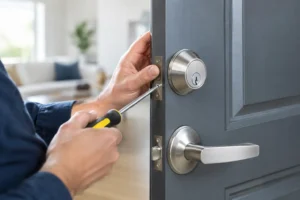
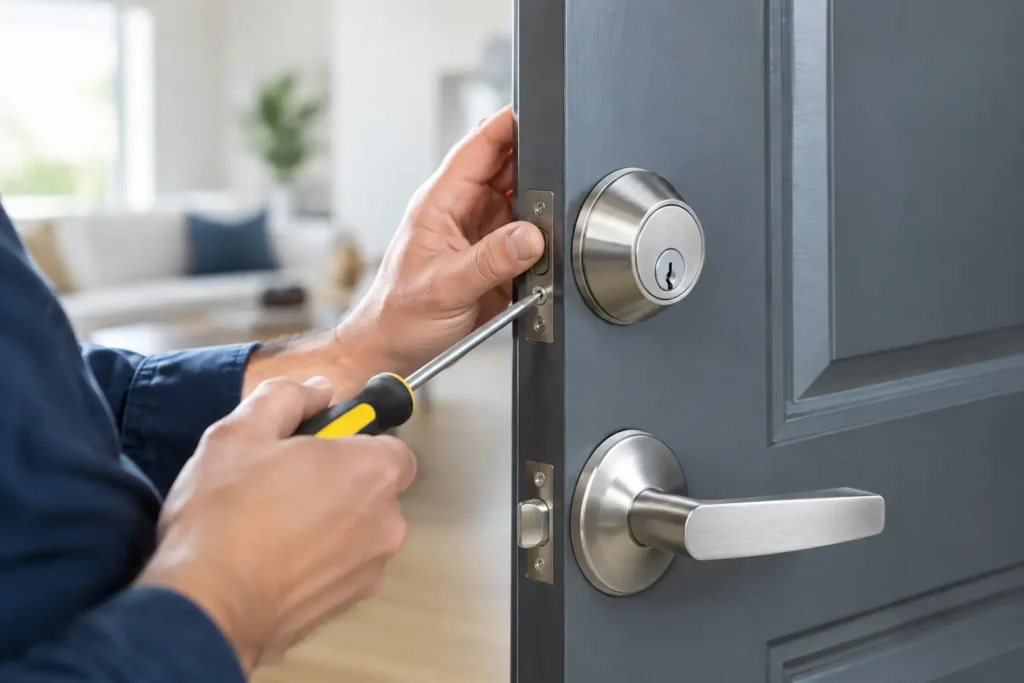
Whether you manage a rental unit or live in one, start with permission and choose an upgrade that fits the property. A professional locksmith can assess the existing lock on-site, explain practical options, and install a dependable replacement without unnecessary changes to the door.
Who Should Approve a Lock Upgrade for Rental Property?
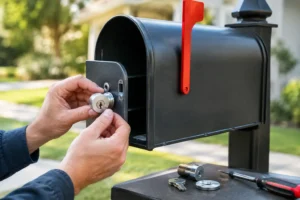
In most rental arrangements, the landlord owns the door hardware and has a right to know when locks are changed. Tenants should review the lease before replacing a main door lock, gate lock, mailbox lock, or bedroom lock. Many agreements require written approval, especially when the change affects the landlord’s access to the unit.
Landlords should take tenant security concerns seriously, particularly after a change of occupancy, lost keys, a break-in, or signs that an old lock is failing. A lock that sticks, turns loosely, requires repeated force, or has visible damage is not just inconvenient. It can leave the tenant locked out or make the property easier to enter without authorization.
The cleanest approach is to agree on three points before any work starts: what lock will be installed, who will pay, and how the landlord will keep an authorized key or access method. This avoids confusion later when the tenant moves out.
A tenant may be willing to pay for an upgrade that provides extra peace of mind. A landlord may cover the cost when the current lock is worn, damaged, or no longer suitable for the property. It depends on the reason for the change and the terms of the rental agreement.
Change the Locks Between Tenants
For landlords, replacing or rekeying locks between tenancies is one of the most practical security steps available. Previous tenants may have returned their keys, but copies can be difficult to track. Contractors, cleaners, relatives, and former occupants may also have had access at some point.
A new lock cylinder or rekeyed lock gives the incoming tenant a fresh start without requiring a full door replacement. It also shows that the property is being maintained responsibly. For units with several doors, a key alike system can make daily use easier by allowing one key to operate selected locks, such as the main door and metal gate.
Do not overlook secondary entry points. A secure front door is less effective if a rear door, balcony access door, storage room, or mailbox has an old or weak lock. During a turnover inspection, test every lock, check that keys turn smoothly, and confirm that the latch engages correctly when the door closes.
Choose the Right Upgrade, Not Just the Most Expensive One
A good lock upgrade should match the door and the way the property is used. More hardware is not always better. The wrong lock can create installation problems, interfere with a gate, or fail to meet the building’s safety requirements.
For a standard apartment or house main door, replacing a damaged cylinder, deadbolt, mortise lock, or lever handle may be enough. If the door has a separate metal gate, consider whether both locks should use the same key or whether separate keys offer better control. Families and shared households often value convenience, while landlords of multi-occupant units may prefer more defined access.
Digital locks are another option for some rental properties. They can reduce the need to collect physical keys and make it easier to change user codes between tenants. However, they are not ideal for every door. Battery maintenance, door alignment, weather exposure, and the need for an emergency override key should all be considered before installation.
For office or commercial rental spaces, glass door locks and restricted key systems may be more appropriate. An office manager may need different access levels for staff, cleaners, and management. In that case, a master key system can offer controlled access without handing out one key that opens every area.
Keep Fire Safety and Door Condition in Mind
Rental properties often have doors that are part of a fire-rated assembly or subject to building management requirements. Changing the lock incorrectly can affect how the door closes, latches, or performs during an emergency. A lock should never prevent occupants from exiting quickly from inside.
This is one reason to avoid forcing a replacement lock into an existing cutout or making unplanned modifications to the door. A professional locksmith can inspect the backset, lock body, strike plate, door thickness, frame condition, and alignment before recommending a suitable option.
Door alignment matters more than many people realize. If a door has dropped on its hinges or the frame is shifting, even a high-quality lock may feel rough or fail to latch properly. In some cases, adjusting the door and strike plate is part of the real fix. Replacing the lock alone may only hide the problem for a short time.
Lost Keys, Lockouts, and Urgent Security Concerns
A lost key is not always an emergency, but it becomes urgent when the key can be connected to the rental address. If a tenant loses keys together with identification, a bag containing documents, or an access card, changing or rekeying the lock is usually the safer choice.
After a break-in attempt, do not assume the lock is fine because the door still opens. Look for scratches around the cylinder, a loose handle, a damaged strike plate, or a latch that no longer catches firmly. These are signs that the lock or door frame may need attention right away.
If a tenant is locked out, the priority is getting back in without causing costly damage to the door. Non-destructive opening is often possible, depending on the lock and condition of the door. Once access is restored, the locksmith can check whether the issue came from a broken key, worn cylinder, jammed mechanism, or simple key loss.
Pro-Smith and Lock provides on-site locksmith support for these situations, including lock opening, lock replacement, and practical security upgrades for residential and commercial doors. A trained locksmith can respond to the immediate problem while helping the tenant or landlord decide whether a full replacement is actually necessary.
Document the Work Clearly
A lock change should be recorded just like any other property maintenance work. Landlords should keep the invoice, note the date of installation, record the number of keys issued, and update any key handover list. Tenants should keep written approval and confirmation of the keys or access codes provided to the landlord, where required.
For digital locks, reset all previous user codes before a new tenant moves in. Avoid using obvious codes such as unit numbers, birthdays, or repeated digits. The owner should also retain the mechanical override key in a secure, accessible place rather than leaving it inside the unit.
When the tenancy ends, inspect the lock before returning the security deposit. Normal wear is different from damage caused by forced entry, missing keys, unauthorized drilling, or an unapproved lock installation. Clear records help both parties handle these questions fairly.
When a Simple Rekey Is Enough
A full lock replacement is not always required. Rekeying may be the better value when the existing lock is in good working condition but the keys are no longer controlled. The locksmith changes the internal pin configuration so old keys no longer work, while the exterior hardware stays in place.
Replacement makes more sense when the lock is worn, damaged, outdated, incompatible with the door, or when the tenant and landlord want a different type of access control. The decision should be based on condition and security needs, not pressure to buy more hardware than the property requires.
A rental lock should do its job quietly: close properly, keep unauthorized people out, and let authorized occupants get in without stress. When keys change hands, the lock feels unreliable, or a tenant needs better protection, address it early with a clear agreement and professional workmanship.