A vacant unit can look ready for the next tenant while its security is still tied to the last one. Former tenants may have spare keys, contractors may have copied a key, and a worn lock may fail without warning. This guide for landlord lock changes explains how to regain control of access, protect occupants, and avoid costly disputes without replacing hardware that still has useful life.
For most rental properties, the goal is simple: every new tenancy should begin with a lock system the landlord can account for. The right solution may be a quick rekey, a full lock replacement, or an upgrade to a better access setup. The best choice depends on the condition of the door, the lock type, local rules, and who has had access to the property.
When landlords should change or rekey locks
The most common time to act is between tenants. Once a tenant has moved out and returned possession of the unit, rekeying or changing exterior locks prevents old keys from working. This is a practical security step even when every issued key appears to have been returned. Keys can be copied easily, and landlords rarely know whether a former tenant gave a spare to a family member, cleaner, pet sitter, or roommate.
Landlords should also arrange lock work after a lost master key, a break-in, attempted forced entry, employee turnover, or a dispute involving unauthorized access. A lock that sticks, turns loosely, has visible damage, or no longer latches properly should not be left until the next vacancy. A small issue at the cylinder or latch can become an urgent lockout or a security problem at the worst possible time.
If a tenant reports a broken lock, respond promptly. Security-related maintenance is not a job to postpone, especially when the problem affects the main entry door, a bedroom door in a shared rental, a mailbox, or a common entrance.
Rekeying vs. replacing a lock
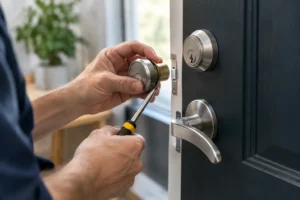
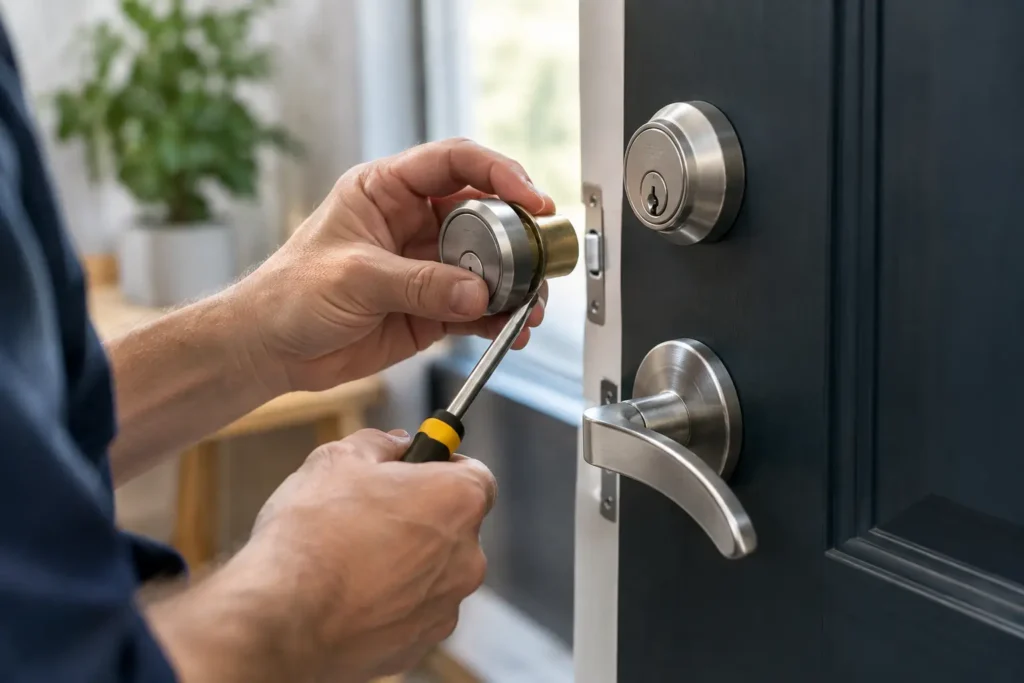
Rekeying changes the internal pins in an existing lock cylinder so old keys stop working and a new key operates the lock. It is often the more affordable choice when the hardware is in good condition, compatible with rekeying, and suitable for the door. It also helps landlords reset access quickly between tenancies without changing the look of the door or replacing every piece of hardware.
Replacement means installing a new lock or lockset. It makes more sense when the lock is damaged, outdated, low quality, corroded, difficult to operate, or incompatible with the access plan for the property. Replacement is also the better option after forced entry if the strike plate, latch, cylinder, or door frame has been compromised.
A professional inspection can save money here. Replacing a perfectly serviceable lock is unnecessary, but rekeying a lock that is already failing only delays the real repair. For multi-unit properties, a locksmith can also advise whether several doors can be keyed alike or placed under a controlled master key system.
When keyed-alike systems help
A keyed-alike setup allows one designated key to operate several locks. This can be useful when a landlord needs access to a main gate, utility room, storage area, mailbox bank, or several doors within one property. It reduces the number of keys that must be carried and managed.
The trade-off is that a lost key may affect more than one door. For that reason, keep issuance records, limit who receives master or property-management keys, and avoid giving broad-access keys to people who only need entry to one area. A master key system offers more control, but it must be planned carefully to protect tenant privacy and separate private units from common areas.
Follow local entry and notice rules
Changing a lock is a security decision, but it can also affect a tenant’s legal right to occupy the property. Landlords should never use lock changes to pressure a tenant over rent, a disagreement, or an eviction matter. Lockouts without the proper legal process can expose a landlord to serious penalties.
Before entering an occupied unit or changing its locks, check the notice requirements that apply in your state, city, lease agreement, and property type. Emergency access is different from routine entry, but an emergency should be genuine, such as a fire risk, flooding, suspected break-in, or an immediate threat to people or property.
If a tenant has changed a lock without permission, do not force entry simply to make a point. Review the lease, document the issue, communicate in writing, and follow the applicable rules. In some areas, tenants may be allowed to change locks in certain circumstances, including safety-related situations. The right response depends on the law and the facts, not just the wording of a standard lease.
A practical process for landlord lock changes
Start by identifying every access point connected to the rental. The front door is obvious, but do not overlook back doors, side gates, garage entries, mailbox locks, storage rooms, shared corridors, office suites, and electronic access devices. A unit is only as secure as its least controlled entry point.
At move-out, collect all keys, fobs, remotes, access cards, and garage controls before completing the final inspection. Record how many were returned and whether any are missing. Then schedule rekeying or replacement before the next tenant receives keys. This creates a clear break between tenancies and avoids the awkward situation of doing security work after someone has already moved in.
Keep a simple lock record for each property. It should show the door location, lock type, date of service, current key code or access group, number of issued keys, and the name of anyone holding management access. If keys are lost later, you will know exactly which doors may be affected.
For occupied properties, give proper notice, explain the reason for the work, and arrange a reasonable appointment window. A professional locksmith should verify authorization before starting work and should leave the door operating smoothly, with the latch, deadbolt, strike plate, and handles tested before departure.
Consider upgrades that solve recurring problems
Traditional mechanical locks remain reliable and cost-effective, especially when paired with good key control. Still, some rental properties benefit from upgrades. A heavy-duty deadbolt, reinforced strike plate, restricted keyway, keypad lock, or managed electronic lock may reduce repeated rekeying and make turnover easier.
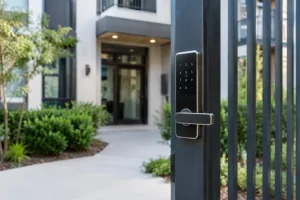
Electronic locks can be convenient because codes can be changed after a tenancy ends. However, they are not automatically the best choice for every property. They need battery checks, clear tenant instructions, dependable installation, and a backup plan for mechanical override or power failure. For a high-turnover rental, they may save time. For a simple long-term tenancy, a quality mechanical lock may be the more practical option.
Door condition matters as much as the lock. A strong lock cannot fully protect a loose frame, weak strike screws, misaligned latch, damaged hinges, or a warped door. Ask the locksmith to check the entire closing and locking action, particularly after a break-in attempt or when tenants complain that the door is hard to secure.
Choose a locksmith who works with rental properties
A landlord often needs service on short notice, but speed should not mean guessing. Choose a mobile locksmith who can assess the door on site, work with common residential and commercial lock types, and explain whether rekeying or replacement is the sensible option. Ask for clear pricing before work begins and confirm what keys, parts, and labor are included.
Experience with different door materials also matters. Wood, metal, glass, aluminum-frame, and fire-rated doors can require different hardware and installation methods. Poorly fitted locks can damage the door, create alignment problems, or leave the latch insecure.
For urgent situations, make sure the locksmith understands the difference between authorized emergency entry and a routine lock change. A careful provider will verify that the caller has authority over the property and will aim to restore secure access with minimal damage.
A well-managed lock change is not just another turnover task. It gives your next tenant a secure start, protects the property from uncontrolled copies, and gives you a clear record of who should have access when it matters.