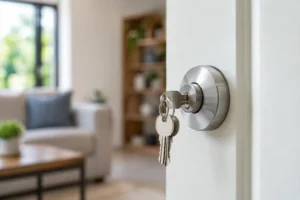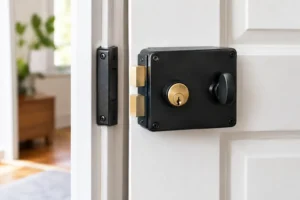
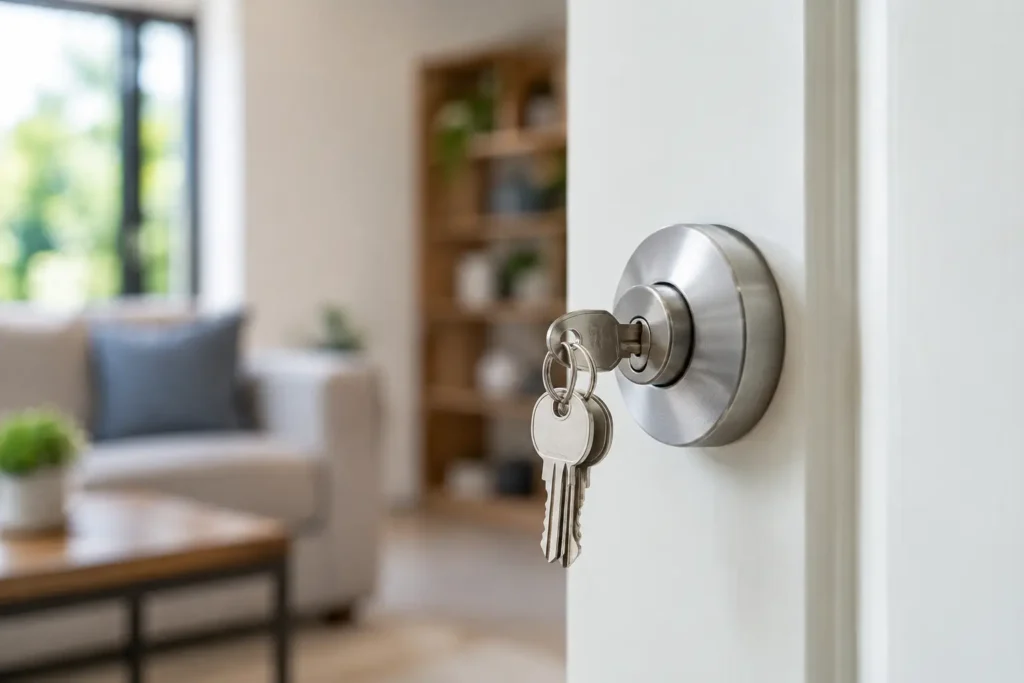
A key alike installation case usually starts with a simple frustration: one key opens the main door, another opens the gate, and a third is needed for the side entrance, mailbox, or office storeroom. Keys build up quickly, especially after moving, replacing a damaged lock, or taking over a property. A key alike system reduces that clutter by allowing selected locks to operate with one matching key.
For homeowners, tenants, and business managers, this is not just about convenience. Fewer keys mean less confusion during a busy morning, easier access for trusted family members or staff, and a lower chance of carrying the wrong key when it matters. The right setup still needs careful planning, because not every lock can or should be keyed alike.
What a Key Alike Installation Solves
A keyed alike system uses compatible lock cylinders or locksets that are pinned to the same key pattern. One key can then open several designated doors or access points. In a home, this may include the front door and metal gate. In an office, it could include a glass door lock, a back door, and a supply room.
The practical benefit is immediate. Instead of testing a bunch of keys at the door, you carry one primary key for the areas you use every day. It also makes key handover easier. A homeowner can give a spare to a family member without explaining which key belongs to each entrance. An office manager can issue a key to a trusted staff member for several approved doors.
This arrangement is different from a master key system. With key alike locks, every matching key generally opens every lock in that group. A master key system creates different levels of access, where one key may open all doors while other keys open only specific rooms. For a small home or a simple office layout, key alike locks are often the more straightforward and affordable choice.
A Common Key Alike Installation Case in Singapore
A typical key alike installation case involves a homeowner who has separate keys for a main wooden door, a metal gate, and a bedroom door that has recently had its lock replaced. The homeowner may be tired of carrying several keys or worried that family members will mix them up during an emergency.
A locksmith begins by checking each lock type, its condition, and whether the cylinders are compatible. The locks do not have to look identical, but they must be suitable for the same keyway and cylinder system. A rim lock, a mortise lock, and a gate lock may require different parts. Sometimes existing locks can be rekeyed. In other cases, replacing selected cylinders or locksets is the safer option.
The goal is not to force every lock into one key system. If a bedroom needs separate privacy, if a tenant should not have access to a storage area, or if an old lock is worn out, it may be better to keep it separate. A professional recommendation should match how the property is actually used, not just reduce the number of keys at any cost.
Why Lock Condition Matters Before Rekeying
Rekeying changes the internal pins so an existing lock works with a new key. It can be a good choice when the lock body is still secure, smooth to operate, and compatible with the intended key system. It is particularly useful after lost keys, a change of tenant, or a staff turnover.
However, rekeying will not repair a damaged latch, a loose handle, a misaligned strike plate, or a corroded cylinder. If the key sticks, the lock is difficult to turn, or the door does not close properly, replacement may offer better value. Installing a new key alike lock on a failing door setup only transfers the problem to a new key.
Planning the Right Access Group
Before installation, decide exactly which doors should share a key. For many residences, the main door and gate are the obvious pair. A mailbox lock may be included if it uses a compatible cylinder, though not every mailbox lock can be keyed alike with a door lock. For offices, managers often group the main entry and selected operational rooms while keeping server rooms, finance files, or private offices on separate keys.
Think about who needs access, not just which doors you want to open. A domestic helper, contractor, tenant, employee, or relative may need entry to certain areas but not all areas. When access needs differ, a master key system or separate locks may be more appropriate.
It is also wise to consider key control. Every extra copy increases convenience, but it also increases the number of keys that must be tracked. Keep a clear record of who has each key, especially in a business or rental property. If a key goes missing, the affected locks can be rekeyed without waiting for a larger security issue to develop.
What Happens During Installation
A proper on-site installation starts with an inspection of the doors and hardware. The locksmith checks the lock brand, cylinder size, door thickness, backset, handing, and the alignment between the door and frame. These details affect whether a compatible cylinder can be fitted securely and whether the key will turn smoothly after installation.
If replacement is needed, the old lock or cylinder is removed carefully to avoid damage to the door, gate, or glass door fitting. The new compatible locks are installed, adjusted, and tested one by one. Testing is more than seeing whether the key turns. The door should latch properly, lock from both sides as intended, and open without excessive force.
A reliable locksmith will also check the final key operation across every lock in the group. This catches small alignment issues before the job is completed. For example, a key may turn easily in the main door but feel tight in a gate cylinder that needs minor adjustment.
For older HDB doors, metal gates, or heavily used office entrances, installation can reveal wear that was not obvious at first glance. A practical solution may involve changing only the essential parts now and planning a larger upgrade later. That approach can keep the job affordable while addressing the immediate access problem.
Security Trade-Offs to Consider
One key for several doors is convenient, but it creates a clear trade-off: if that key is lost, every lock in the matching group may need to be rekeyed or replaced. This does not mean key alike systems are unsafe. It means the system should be limited to doors that have the same access requirement.
For a family home, one key for the gate and main entrance can make excellent sense. For a business with multiple staff members and sensitive areas, putting every door on one key is usually not the best security plan. Separate high-security areas from everyday access points, and use a master key arrangement when different people need different permissions.
Quality hardware also matters. A key alike system is only as reliable as the locks installed. Choose locksets suited to the door material and usage level. A frequently used commercial door may need more durable hardware than an interior bedroom door. Correct fitting matters just as much, since a good lock can perform poorly if it is installed out of alignment.
When to Call a Locksmith
Call for professional help when you want to combine keys after a move, replace locks after a lost key, simplify access for elderly family members, or organize entry for a small office. It is also a sensible upgrade when different locks have been installed over time and the keyring has become difficult to manage.
Bring up any existing issues during the assessment, such as a loose lock, a stiff key, a sagging gate, or a door that must be pushed to lock. These details help the locksmith recommend whether rekeying, cylinder replacement, or a full lock change will give the best result.
Pro-Smith and Lock can assess compatible locks on-site and advise on a practical key alike arrangement for residential and commercial doors. The best system is the one that makes daily access easier without giving more access than the property requires.
A well-planned keyed alike setup should feel simple from the first day: the right key works where it should, the doors close securely, and everyone who needs access can get in without a pocket full of metal keys.