A key that suddenly sticks at your main door, a loose handle after years of daily use, or a missing set of keys can turn an ordinary day into a security concern. Door locks are easy to overlook when they work properly, but they are one of the first barriers protecting your home, office, bedroom, or rental property. Knowing when a lock needs attention helps you avoid a stressful lockout and make a sensible decision before a small fault becomes a bigger problem.
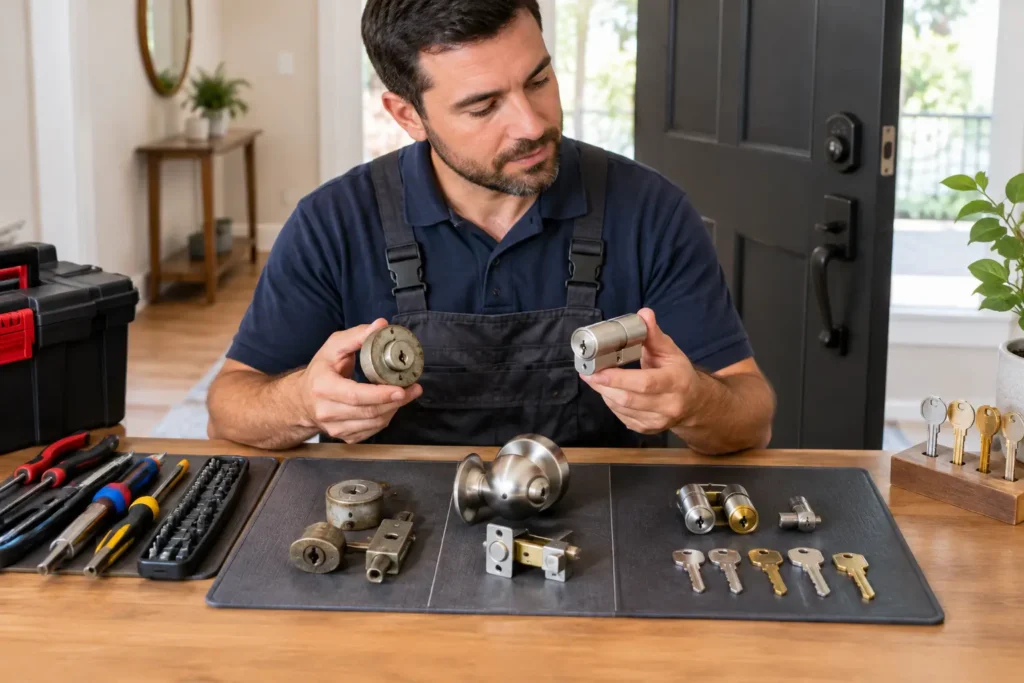
For most property owners, the right solution is not always a full replacement. A professional locksmith can assess the door, lock type, key condition, and level of wear before recommending repair, rekeying, or a new lock. The goal is simple: restore dependable access and improve security without paying for work you do not need.
When Door Locks Need Immediate Attention
A lock does not have to fail completely before it needs service. If your key takes several attempts to turn, the cylinder feels rough, the latch does not line up with the strike plate, or the handle moves without properly engaging the mechanism, arrange an inspection soon. These are common signs of internal wear, poor alignment, or damage caused by force.
Do not keep forcing a key into a stiff lock. A bent key can snap inside the cylinder, and repeated pressure can damage components that may otherwise have been repaired. Light lubrication may help in some cases, but using the wrong product can attract dust and make the problem worse. A locksmith can identify whether the issue is with the key, cylinder, latch, door alignment, or the lock body itself.
Immediate help is also sensible after an attempted break-in, a lost key, a tenant move-out, or a door that has been damaged by weather, impact, or constant use. In these situations, restoring access is only part of the job. You also need to make sure the property remains properly secured afterward.
Repair, Rekey, or Replace: What Is the Difference?
The best option depends on the condition of the lock and whether control of existing keys is a concern.
Repair a lock when the hardware is still sound
Repair can be the most cost-effective choice when the lock is fundamentally secure but has a specific fault. For example, a loose handle, worn latch, misaligned strike plate, or sticking mechanism may be corrected without changing the entire unit. This is often practical for bedroom doors, internal office doors, mailbox locks, and some main door locks.
However, repair is not always the right answer for heavily corroded or damaged locks. If internal parts are worn out, the lock has been forced, or replacement parts are unavailable, continuing to repair it may cost more over time than fitting a reliable new unit.
Rekey when the lock works but key access has changed
Rekeying changes the internal configuration of a compatible lock so old keys no longer work. It is a useful option when keys are lost, not returned by a former tenant or employee, or passed around too freely. The existing hardware stays in place, but access is controlled with a new set of keys.
Rekeying works best when the lock itself is in good condition and offers the right level of security for the door. If the cylinder is worn or the lock is outdated, replacing it can be a better long-term decision.
Replace when security or reliability is compromised
Replacement is usually recommended when a lock is damaged, unreliable, outdated, or unsuitable for the door. A new main door lock may also be appropriate after a burglary attempt, during a renovation, or when moving into a property with an unknown key history.
The replacement should suit the door material and use. A lock for a timber bedroom door is not the same as one needed for a metal gate, glass office door, or heavy main entrance. Proper fitting matters as much as the lock itself. A good lock installed poorly can still leave a door difficult to secure or prone to early failure.
Choosing the Right Lock for Your Property
Security needs vary from one entrance to another. Your main door should generally receive the strongest attention because it is the primary point of entry. Internal bedroom doors may prioritize privacy and emergency opening options, while office doors often need controlled access for staff, tenants, or managers.
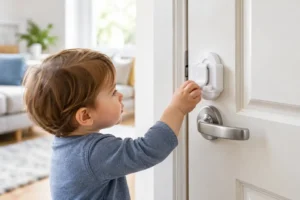
For homes, consider who uses the door every day. Families with children or elderly relatives may value locks that are simple to operate from inside during an emergency. Landlords may prefer practical lock systems that are easy to rekey between tenants. Homeowners who use a gate and main door may want both locks assessed together so there are no weak points in the entry path.
For offices, key control can be more important than installing the most expensive individual lock. If too many staff members hold separate keys, managing access becomes difficult. A key alike system allows selected doors to use one key, while a master key system can give managers access to multiple areas without giving every employee the same level of entry. These systems need careful planning to avoid convenience becoming a security risk.
Glass doors require particular care. The lock must suit the glass thickness, door style, and usage pattern without placing unnecessary stress on the panel. Forcing a mismatched lock onto a glass door can create both security and safety problems. An experienced locksmith can recommend a suitable option and fit it correctly.
Common Lock Problems and What They Usually Mean
A loose handle may indicate worn screws, a damaged spindle, or a failing internal mechanism. A key that turns but does not open the door can point to a disconnected latch or faulty cylinder. When a door only locks if you lift, push, or pull it into position, the problem may be alignment rather than the lock itself.
These details matter because replacing a cylinder will not fix a sagging door, and adjusting a strike plate will not solve a broken internal lock case. A proper on-site assessment prevents unnecessary work and helps ensure the repair lasts.
Keys also deserve attention. A worn key copied repeatedly over the years can cause poor operation even when the lock is still usable. If a key has become bent, cracked, or difficult to insert, stop using it before it breaks. Having a clean, accurate replacement made early is usually easier than dealing with a broken key during a rush to work or late at night.
Why Professional Installation Makes a Difference
A lock is only as dependable as its installation. The latch needs to engage fully, the cylinder must sit correctly, handles should be firmly secured, and the door must close without excessive force. Poor alignment can shorten the life of even quality hardware and create a false sense of security.
Professional locksmith service also helps when the situation is urgent. If you are locked out of an HDB flat, cannot access a bedroom, have a jammed office glass door, or need help with a car lockout, the priority is gaining entry with as little disruption as possible. The next step is checking whether the original lock can still be trusted or should be repaired or replaced.
Pro-Smith and Lock provides on-site support for these situations, with practical recommendations based on the actual door and lock rather than a one-size-fits-all answer. That matters when you need a quick response but still want durable workmanship.
Simple Habits That Help Locks Last Longer
Most lock problems build gradually. Avoid slamming doors, do not hang heavy items from lever handles, and deal with misalignment before it causes the latch to scrape or jam. Keep spare keys in a controlled location rather than hiding them outside, and review who has keys after a move, staffing change, or renovation.
If you manage a rental unit or office, keep a basic record of key holders and lock changes. This small step makes it easier to respond if keys are lost or access needs to be restricted. For high-use doors, schedule service when early signs of wear appear instead of waiting for the lock to stop working at an inconvenient time.
A reliable lock should feel simple: the key turns smoothly, the door closes cleanly, and you know exactly who has access. If any of those things is no longer true, a timely locksmith assessment can restore peace of mind before the issue becomes an emergency.