A lost key, a damaged digital lock, or a former tenant who may still have access can turn an ordinary door into a security concern. Current access control trends are less about adding complicated technology and more about giving homeowners and business owners clearer control over who can enter, when they can enter, and how quickly access can be changed when circumstances change.
For properties in Singapore, the right solution depends on the door, the people using it, and the level of day-to-day risk. An HDB main door, a bedroom door in a rental unit, a glass office door, and a warehouse entrance do not need the same system. The most useful upgrades are practical, durable, and supported by a locksmith who can service them when something goes wrong.
Access Control Trends That Solve Real Problems
Smart locks are becoming a practical choice
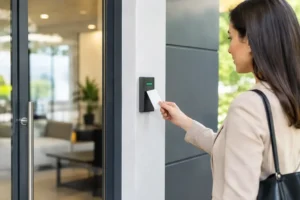
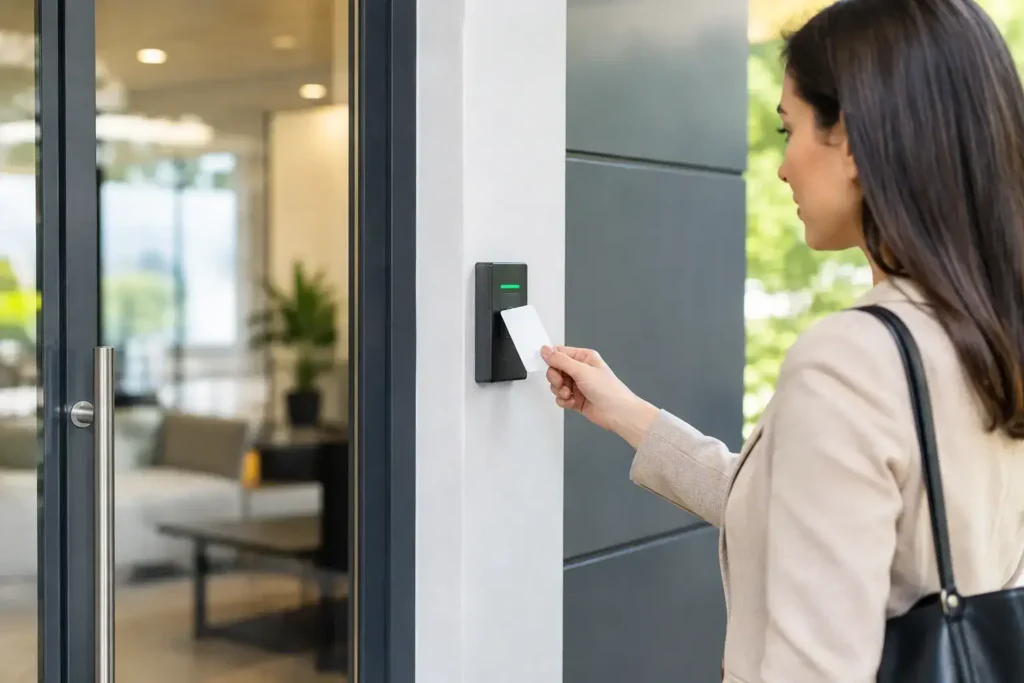
Smart locks are now common in homes, rental properties, and small offices because they reduce reliance on physical keys. Depending on the model, entry may be managed through a PIN code, fingerprint, card, mobile app, or a combination of these methods. This can be helpful for families who do not want to carry keys, landlords managing tenant access, and offices with staff turnover.
The main benefit is flexibility. If a tenant moves out or a staff member leaves, access can often be removed without changing every lock or collecting every spare key. Temporary codes can also be issued for cleaners, contractors, or short-term visitors.
However, smart locks are not automatically the best answer for every door. They need to fit the door material, lock type, and usage pattern. Battery maintenance matters, and users should know how to use the emergency mechanical override. A good installation should never leave a household or office unable to enter because a battery has run flat or a device has malfunctioned.
Mechanical key systems still matter
While digital access gets attention, well-planned mechanical systems remain one of the most effective access control options. Key alike systems allow one key to operate several selected locks. This is useful for homeowners who want one key for the main door, gate, and mailbox, or for business owners who need to simplify access across several rooms.
Master key systems offer more control for commercial properties. A manager may hold one master key for all approved doors, while staff keys only open the rooms relevant to their work. For example, an employee may access the office entrance and pantry but not a storeroom, server room, or management office.
This approach is reliable because it does not depend on charging, Wi-Fi, or software. The trade-off is that lost keys must be handled seriously. If a master key goes missing, rekeying or lock replacement may be the safer decision. A professional locksmith can advise whether the existing cylinders can be reconfigured or whether an upgrade is needed.
Mobile credentials and temporary access are growing
More property owners want to provide access without handing over a permanent key. Mobile credentials, time-limited PIN codes, and temporary cards are becoming more common in offices and managed rental units. They are especially useful when visitors need access outside regular hours.
An office manager can give a contractor entry for a scheduled maintenance window instead of leaving a key with reception. A homeowner can allow a family member or helper to enter for a limited period. When the task is finished, that permission can be removed.
This is convenient, but it requires good habits. Access should be reviewed regularly, especially after staff changes, tenant handovers, or contractor work. Convenience becomes a security weakness when old codes and permissions are left active for months.
Better Control Starts With the Door Itself
Access control is not only about the lock. A strong lock installed on a weak door, loose strike plate, misaligned frame, or damaged glass door fitting may not provide the protection expected. Before choosing a keypad, fingerprint lock, or master key arrangement, the basic condition of the entry point should be checked.
For residential properties, the main door and gate should close properly without forcing. The lock should engage fully, and the door frame should not show signs of splitting, movement, or damage. For bedroom doors, the priority may be privacy and fast opening during an accidental lockout rather than high-security hardware.
In offices, glass doors need suitable locks and fittings designed for the glass type and door configuration. Forcing a standard lock onto an unsuitable glass door can lead to poor performance or damage. Access systems must also suit the flow of people entering and leaving the premises. A busy office entrance needs hardware that can handle frequent use, not just a lock that looks modern on the first day.
Video verification supports, but does not replace, locks
Door viewers, video doorbells, and cameras are increasingly used alongside access systems. They help occupants verify who is outside before opening the door and can provide useful records after an incident. For offices, cameras near entrances can also support visitor management.
Still, cameras do not physically secure a door. They work best as part of a wider setup that includes a properly functioning lock, controlled keys or credentials, and sensible visitor procedures. Property owners should also position cameras carefully and respect privacy requirements, particularly in shared residential spaces and workplaces.
Choosing the Right Upgrade for Your Property
The best access control solution begins with a simple question: what problem are you trying to prevent? If keys are constantly misplaced, a keypad or fingerprint lock may reduce daily frustration. If several people need different levels of access, a master key system or managed digital credentials may make more sense. If a lock is old, stiff, damaged, or easily bypassed, replacing the hardware should come before adding extra features.
Homeowners often benefit from a dependable main door lock combined with controlled spare keys. Landlords may prefer a solution that allows easy access changes between tenants. Small offices commonly need restricted access to selected rooms, while keeping entry convenient for regular staff. Larger sites may require a more detailed access plan, with clear responsibility for who issues and removes credentials.
Cost should be considered beyond the initial installation. A cheaper lock that fails early, has difficult-to-find parts, or does not fit the door correctly can cost more in callouts and replacement work. On the other hand, not every property needs an expensive connected system. A quality mechanical lock, installed correctly, may be the smarter and more affordable choice for many doors.
The Often-Missed Trend: Faster Changes After a Risk Event
One of the most valuable shifts in access control is the focus on fast action after a change in circumstances. Security problems are not always caused by break-ins. They often begin when keys are lost, tenants move out, staff leave, a relationship changes, or a lock starts failing.
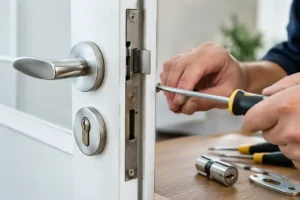
In these situations, delaying a lock change can create unnecessary worry. A locksmith can assess whether rekeying, lock replacement, key duplication control, or a new access arrangement is appropriate. For urgent lockouts, professional door opening is also safer than trying to force the lock, which can damage the door, frame, or hardware and increase the final repair cost.
For more than 14 years, Pro-Smith and Lock has helped residential and commercial customers address these practical concerns with on-site lock and access solutions. The priority is not to sell technology for its own sake, but to restore secure, dependable entry with an option that suits the property and budget.
Keep Access Simple Enough to Manage
The most effective access system is one people will actually use correctly. Record who holds keys, remove old access permissions promptly, replace damaged locks early, and keep emergency access arrangements clear for household members or authorized managers. Avoid sharing PIN codes widely or hiding spare keys in obvious places.
Whether you choose a mechanical lock, a master key system, or a smart access option, the goal is the same: the right people can get in without delay, while everyone else stays out. A well-chosen upgrade brings confidence every time the door closes behind you.