A lost house key used to mean one immediate problem: getting back inside. The future of digital door locks changes that situation, but it also changes what property owners need to manage. A phone, PIN code, fingerprint, access card, or temporary pass can now control entry. That can be very convenient, especially for busy households and offices, but the best security still comes from choosing the right lock, installing it correctly, and having a reliable backup plan.
For homeowners, tenants, and office managers, the question is no longer simply whether a digital lock is better than a key. The practical question is whether a digital system suits the door, the people using it, and the level of control the property needs.
The Future of Digital Door Locks Is About Better Control
Digital door locks are moving beyond basic keypad entry. Newer systems are designed to give property owners more control over who enters, when they enter, and how access can be changed when circumstances change.
A homeowner may want separate codes for family members, a cleaner, or a contractor. An office manager may need different access permissions for staff, visitors, and after-hours vendors. Instead of collecting physical keys whenever someone leaves, the authorized person can remove or change a credential. This reduces the common risk of copied, misplaced, or unreturned keys.
Audit trails are also becoming more useful. Depending on the model and setup, an owner may be able to see when a code or credential was used. For a small office, rental property, or home with regular service visitors, that record can provide useful clarity. It should not replace sensible security practices, but it can make access management less uncertain.
This does not mean every property needs the most advanced smart lock available. A simple keypad lock with reliable mechanical backup may be a better fit than a feature-heavy system that the household will not use properly. More functions are only helpful when they solve a real access problem.
Phones, Biometrics, and Temporary Access
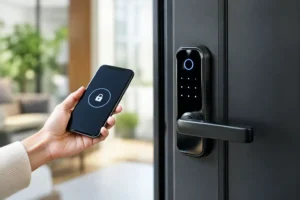
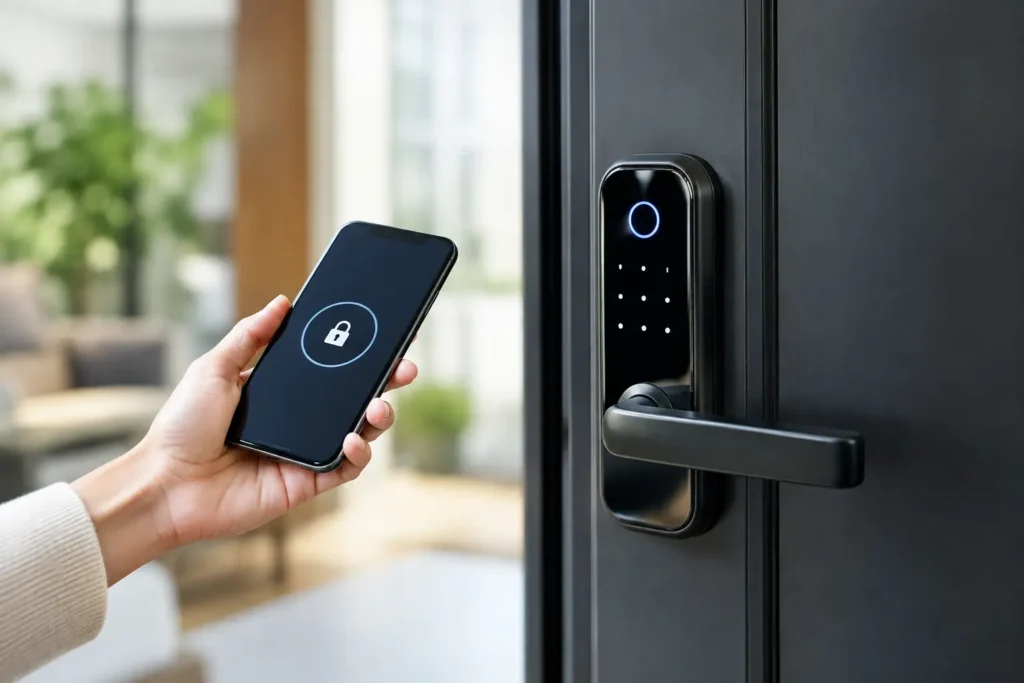
Mobile access is likely to become more common. Rather than carrying keys, users can authorize entry from a phone app, sometimes from nearby and sometimes remotely. This can help when a family member arrives early, a tenant needs access after work, or an office manager needs to let in a service technician without traveling to the site.
However, phone-based access depends on basic habits. A phone needs battery power, account security, and a protected screen lock. If a phone is lost, access permissions must be reviewed immediately. The same care applies to shared accounts. Every regular user should have their own credential where possible, instead of everyone using one shared PIN.
Fingerprint access is another area that will continue to grow. It is fast and convenient for a main door, particularly when hands are full. Yet fingerprints are not perfect for every situation. Wet fingers, worn fingerprints, sensor quality, and user setup can affect performance. A dependable lock should offer an alternative entry method, such as a PIN, card, physical key, or emergency power option.
Temporary codes are especially useful for short-term access. A code can be created for a guest, delivery recipient, contractor, or domestic helper and removed when it is no longer needed. The security benefit comes from setting clear time limits and avoiding easy codes such as birthdays, unit numbers, or repeated digits.
Security Will Depend on More Than the App
A digital lock may have a polished app and still be a poor choice if the physical installation is weak. The lock body, strike plate, door frame, screws, door alignment, and existing handle or gate all matter. A lock can only perform as well as the door assembly supporting it.
This is particularly relevant for older doors, metal gates, glass office doors, and doors that have been damaged by forced entry or heavy use. Before replacing a lock, a locksmith should check whether the door closes squarely, whether the latch engages fully, and whether the chosen lock is suitable for the material and thickness of the door.
Digital security also needs practical cybersecurity. Choose established products that receive security updates and use protected account credentials. Change default passwords, use a strong and unique password for the associated account, and enable additional account verification when available. Avoid giving permanent app access to people who only need short-term entry.
Cloud-connected features can be helpful, but they introduce a trade-off. Remote access and activity notifications may be valuable, while an internet-dependent lock can create frustration during Wi-Fi or service outages. For many properties, the right balance is a lock that works locally at the door even when remote features are temporarily unavailable.
Mechanical Backup Still Matters
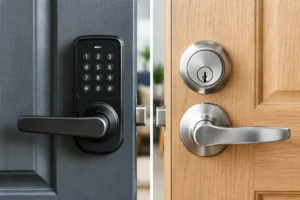
Keys are not disappearing overnight. Many digital locks retain a mechanical key override, and that is often a sensible feature rather than a sign that the lock is outdated. Batteries can drain, electronics can fail, and users can forget codes.
The future of digital door locks will likely include better battery alerts, emergency charging contacts, and more reliable low-power designs. Even so, owners should know where the emergency key is kept, who has access to it, and how the lock behaves when power is low. Keeping the only backup key inside the locked property defeats the purpose.
For commercial sites, a wider access plan may be needed. A master key system, controlled credentials, and clear procedures for former employees can work together. The best setup depends on the number of doors, users, business hours, and the sensitivity of the areas being protected.
Smarter Locks Will Need Smarter Setup
The most common mistake with a digital lock is treating it as a plug-and-play gadget. Installation affects reliability. A lock that binds against the frame, has an incorrectly fitted strike, or is installed on a poorly aligned door may drain batteries faster and create access problems.
Professional installation is especially worthwhile when replacing a main door lock, fitting a digital lock on a fire-rated door, upgrading an office entry, or integrating a lock with an existing gate and handle. The work should be measured, tested, and completed without weakening the door or leaving exposed gaps around the hardware.
After installation, take a few minutes to set the system up properly. Create separate access credentials, remove factory settings, test the backup method, and confirm that the door latches securely from both sides. If remote access is enabled, check who has administrator rights. This small amount of preparation can prevent a stressful problem later.
What Homeowners and Offices Should Plan for Now
There is no need to replace a working conventional lock just because digital options are available. A planned upgrade makes sense when keys are frequently lost, several people need access, staff turnover creates key-control issues, or the current lock is worn, damaged, or difficult to operate.
For a home, prioritize everyday reliability and a simple backup method. For an office, focus on permission control, user records, and a process for changing access when staff roles change. For rental properties, consider how easily codes can be updated between occupants without creating unnecessary complexity.
Cost should also be viewed beyond the price of the device. A cheaper lock may not fit the door properly, may have limited support, or may need early replacement. A suitable lock installed well can provide better value because it reduces repeated adjustments, access confusion, and emergency callouts.
When a Digital Lock Problem Needs a Locksmith
Even well-maintained digital locks can develop issues. A dead battery, damaged keypad, jammed latch, forgotten code, misaligned door, or failed handle can leave someone stuck outside or unable to secure the property. Forcing the door or repeatedly pulling the handle can cause more damage and make the repair more expensive.
A qualified locksmith can assess whether the issue is related to the battery, lock body, door alignment, credential settings, or physical damage. In many cases, the right solution is not a full replacement. A careful inspection may identify a worn component or fitting issue that can be corrected.
At Pro-Smith and Lock, the focus is on practical access and security solutions, whether that means opening a door without unnecessary damage, replacing a failed lock, or advising on an upgrade that fits the property. The right digital lock should make daily entry easier while keeping the home or workplace properly protected.
Before choosing your next lock, look at the door in front of you, the people who need access, and the backup plan you would rely on during an unexpected problem. That is where a useful security upgrade begins.