A rim lock can look like a small upgrade, but it has a major effect on how secure and convenient your door feels every day. This rim lock review guide is designed for homeowners, tenants, and office occupiers who need a practical way to choose a lock that suits their door, budget, and security needs.
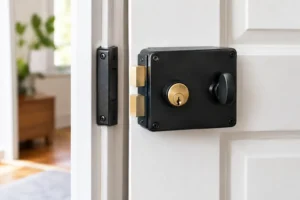
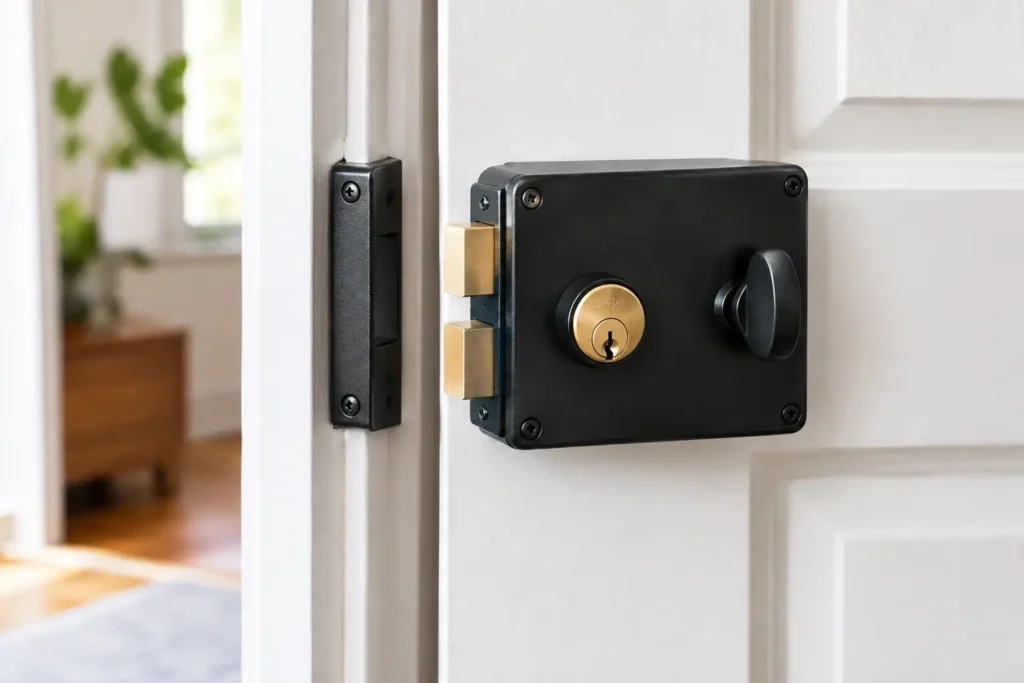
Unlike a mortise lock that sits inside the door, a rim lock is mounted on the inside surface. It is commonly used on wooden doors, apartment entrance doors, and gates where cutting a large lock case into the door is not ideal. The right model can provide dependable daily security. The wrong one can leave you with loose fittings, difficult keys, or a lock that does not match your door setup.
Rim Lock Review Guide: Start With Your Door
Before comparing brands, cylinders, or finishes, look at the door itself. A rim lock must be compatible with the door thickness, material, handing, and existing holes. A lock that works well on a solid wood main door may not be suitable for a hollow bedroom door, aluminum gate, or glass office door.
Check whether the door opens inward or outward. Some rim locks are handed, meaning they are made specifically for left- or right-opening doors. Others can be reversed during installation. This detail matters because a poorly matched latch may not close smoothly or may be easier to force open.
Also inspect the condition of the door frame and strike plate area. A strong rim lock cannot compensate for a weak frame, cracked wood, or a shallow strike plate. If the door moves when closed, the latch may not engage properly. In many cases, the best security improvement is not only replacing the lock but also reinforcing the strike plate and securing it with longer screws where appropriate.
What Makes a Rim Lock Worth Buying?
A good rim lock should be easy to operate, correctly fitted, and difficult to tamper with. Price matters, but the cheapest option is not always affordable if it wears out quickly or needs another replacement within a short time.
Locking Method and Daily Use
Many rim locks use an automatic deadlocking latch. When the door closes, the latch catches in the strike plate and helps prevent someone from slipping it back with a card or thin tool. This can be useful for a main entrance door, especially in shared residential corridors or office settings.
However, automatic locking can be inconvenient if you often step out briefly without carrying your keys. Think about your daily routine. If children, elderly family members, tenants, or staff use the door, choose a lock with clear operation and keys that are easy to duplicate through a reputable locksmith.
Some models include an interior knob or turn piece, while others require a key from both sides. A key-operated interior may offer more control, but it can slow down emergency exit. For residential doors, ease of exit should always be considered alongside security.
Cylinder Quality and Key Control
The cylinder is the part of the rim lock that receives the key. It is often the most important component to assess. A basic cylinder may be acceptable for a low-risk internal door, but a main door usually benefits from better resistance to picking, drilling, and forced turning.
Look for a cylinder that feels firm when the key turns. Excessive movement, sticking, or rough operation can indicate poor quality or incorrect installation. A quality cylinder should operate smoothly without needing force.
Key control is another practical concern. If you have recently moved into a home or office, do not assume all old keys have been returned. Replacing or rekeying the cylinder gives you control over who can access the property. For landlords and office managers, a key alike system can reduce the number of keys needed across selected doors, while a master key system may suit larger premises with different access levels.
Build Quality and Finish
Rim locks are available in finishes such as stainless steel, brass, chrome, and black. Finish is not only about appearance. Doors exposed to humidity, rain, or frequent handling need materials that resist corrosion and wear.
For an external gate or door facing the weather, ask whether the lock is intended for outdoor use. Indoor-only hardware can rust or become stiff when exposed to moisture. In humid environments, regular cleaning and light maintenance can help prevent key and latch problems.
The lock body should sit flat against the door with no visible gaps. Screws should be properly tightened but not overtightened, which can damage timber or cause the body to sit unevenly. A rim lock that rattles or shifts when pulled is not providing the level of protection it should.
When a Rim Lock Is a Good Choice
Rim locks work especially well when you want to add a practical locking point without extensive door modification. They can be a sensible option for older wood doors, apartment doors, internal doors needing controlled access, and certain gate setups.
They are also useful as a secondary lock. A main door may already have a handle lock or mortise lock, but an additional rim lock can add another barrier against forced entry. This depends on the condition of the door and frame. Adding multiple weak locks is less effective than installing one quality lock correctly on a sound door.
A rim lock may not be the best choice for every situation. Heavy fire-rated doors, metal doors, and glass office doors often need hardware designed specifically for their construction and compliance requirements. If you are unsure, a locksmith can assess the door on site and recommend a suitable option rather than forcing a standard rim lock into an unsuitable setup.
Signs Your Existing Rim Lock Needs Replacement
Do not wait for a complete lock failure if the warning signs are already clear. A rim lock should be checked when the key becomes difficult to turn, the latch does not retract fully, the door needs to be pushed hard before it locks, or the lock body feels loose.
Replacement is also sensible after lost keys, a break-in attempt, a tenant change, or a move into a previously occupied property. Cosmetic damage around the cylinder can be more than an appearance issue. It may show that someone has attempted to force the lock or that the cylinder has been repeatedly stressed.
If you are locked out because a rim lock has jammed, avoid forcing the key or prying at the lock. This can damage the door and turn a straightforward lock opening job into a larger repair. A professional locksmith can identify whether the issue is the key, cylinder, latch, strike plate, or door alignment before recommending the right fix.
Installation Matters as Much as the Lock
Even a well-reviewed rim lock can perform poorly if it is installed incorrectly. Accurate alignment between the latch and strike plate is essential. The lock should close without scraping, catching, or requiring the door to be lifted.
Professional installation is particularly useful when replacing an older lock with a different size or backset. Old screw holes may need repair, and the new cylinder must sit at the correct length for the door thickness. A cylinder that protrudes too far can be vulnerable to attack, while one that sits too deep may be difficult to use.
At Pro-Smith and Lock, the focus is not simply on fitting a replacement. The door, frame, lock position, and everyday access needs should all be checked so the finished work is secure and practical. This is especially helpful when a lock problem happens unexpectedly and you need a clear solution without unnecessary work.
A Practical Rim Lock Buying Checklist
Before committing to a rim lock, confirm these points:
- It is compatible with your door material, thickness, and opening direction.
- The cylinder offers an appropriate level of security for the location.
- The latch and strike plate will align correctly with the existing frame.
- The finish is suitable for indoor or outdoor exposure.
- The lock allows safe, convenient exit for everyone using the door.
- Replacement keys and future servicing will be manageable.
The best rim lock is not necessarily the most expensive model on the shelf. It is the one that fits your door properly, supports your daily routine, and is installed with care. If your current lock is loose, worn, damaged, or no longer gives you confidence, arranging a professional assessment now can prevent a stressful lockout or security issue later.