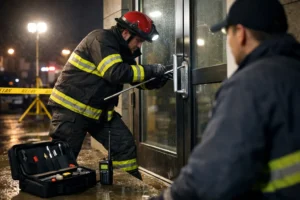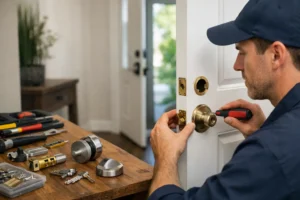
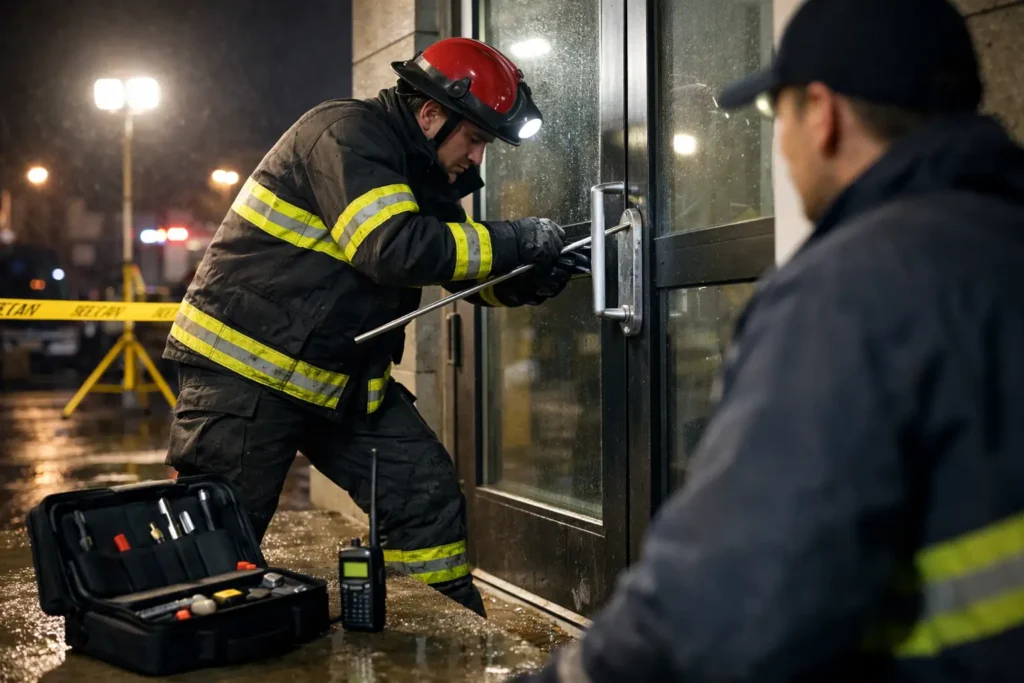
A locked door rarely happens at a convenient time. When you need emergency call lock open help, the real problem is not just the lock – it is the stress, the time pressure, and the worry about what happens next. If you are stuck outside your home, office, bedroom, or car, the right response in the first few minutes can save you money, protect your property, and get you back in quickly.
When emergency call lock open service is the right move
Not every lock problem is the same. Sometimes a key is left inside. Sometimes the key snaps in the cylinder. Sometimes the lock turns but the door still will not open. In other cases, the door closes behind you and the latch catches before you realize your keys are still indoors.
An emergency lock opening service makes sense when you cannot safely wait, when access is urgent, or when forcing the door would likely create more damage than the original problem. This is common with HDB units, condo main doors, bedroom doors, office glass doors, mailboxes, and vehicles. It is also common late at night, early in the morning, or right before work, school pickup, or an important appointment.
A lot of people hesitate before calling because they hope the problem will somehow fix itself. Usually, it does not. Waiting too long can turn a simple opening job into a lock replacement, a damaged frame, or a much bigger inconvenience.
What to do before you call
Start with a quick check of the obvious. Make sure you are at the correct door, especially in shared buildings or office corridors where doors can look similar under stress. Check whether another entrance is safely accessible. If someone else in the household or office has a spare key, call them first.
If the key is stuck, do not twist harder. If the door feels jammed, do not shoulder it open. If it is a glass office door, avoid any pressure that could crack the panel or throw the alignment off. Damage often happens when people panic and try one more hard turn.
If a child, elderly family member, or vulnerable person is inside and cannot open the door, mention that immediately when you call. The same applies if food is on the stove, water is running, or a vehicle is locked with a pet inside. Those details help the locksmith prioritize and prepare.
Have your location ready, along with a short description of the lock problem. A clear explanation like “main wooden door locked, key inside” or “bedroom privacy lock jammed” is more useful than saying only “I am locked out.”
What a professional locksmith will usually ask
A proper locksmith call is meant to speed things up, not slow you down. You will usually be asked where you are, what type of door or lock is involved, whether it is a lockout or a damaged lock, and whether the situation is urgent for safety reasons.
You may also be asked for a photo. That is normal. A quick image of the door, handle, or lock face can help identify the likely method needed and whether replacement parts might be necessary. It also helps estimate arrival preparation more accurately.
In many cases, proof of occupancy or ownership will be required before opening the door. That protects you as much as it protects the service provider. A trustworthy locksmith should care about verification, especially for residential and office access.
What happens during an emergency call lock open visit
Once on site, the locksmith will assess the lock type, the door material, and whether the issue is the cylinder, latch, alignment, key, or internal mechanism. This matters because the best solution is not always the fastest-looking one.
For a simple lockout, non-destructive entry may be possible. For a failed mechanism, opening the door may require more direct work, and replacement could be the better long-term fix. If a lock has already been damaged by force, previous drilling, or a broken key extraction attempt, the options may be narrower.
Good locksmith work is practical. The goal is to open the door with as little damage as possible, restore proper function where possible, and advise honestly if the lock is no longer reliable. There is no benefit in getting the door open if the same problem is likely to happen again next week.
Why DIY can make an urgent problem worse
Online videos make lock opening look simple. Real doors are not simple. Main doors, deadbolts, digital lock housings, gate locks, and commercial glass door hardware all behave differently. What works on one setup can ruin another.
Improvised tools often scratch hardware, bend components, or push the failure deeper into the mechanism. A credit card trick can damage the latch area. Hairpins and random metal pieces can break off inside the keyway. Forced twisting can leave you with a snapped key and no workable opening path.
There is also the cost issue. A lock that could have been opened cleanly may end up needing full replacement once it has been tampered with. That is especially frustrating when the original problem was only a key left inside or a misaligned latch.
Common situations that need fast lock opening
Residential lockouts are the most common, but they are far from the only urgent case. Bedroom doors often jam because privacy locks wear out or get stuck from the inside. Office doors create a different problem because delays affect staff, customers, and access to equipment. Vehicle lockouts are stressful because they usually happen when you are already rushing.
Mailbox and cabinet locks are less dramatic, but still time-sensitive when important documents, keys, or access cards are inside. The same goes for rental units and managed properties where tenants need quick entry but owners want the lock handled properly.
Different door types also change the approach. A metal gate and wooden main door combination is not the same as a single fire-rated door. Glass office doors need extra care. Older locks may open quickly but should often be replaced after, while newer systems may take longer to assess but offer better security once restored.
Choosing the right locksmith under pressure
When people are locked out, they often call the first number they see. That is understandable, but a rushed choice can create fresh problems. Look for a locksmith that clearly handles on-site service, gives a realistic response window, and communicates plainly about the issue instead of making vague promises.
Experience matters because emergency work is rarely textbook. An older apartment lock, a swollen wooden door after rain, a misaligned gate, or a damaged car key situation all require judgment, not just tools. A locksmith with broad field experience is more likely to diagnose the real issue quickly and avoid unnecessary replacement.
It also helps to choose a provider that handles both opening and follow-up repair. If the lock opens but remains unreliable, you do not want to start over with another company. Pro-Smith and Lock is built around that kind of practical response – getting there quickly, opening the problem lock, and fixing what needs to be fixed so the same issue does not keep returning.
After the door is open, decide whether the lock should stay
Some locks can keep working after an emergency opening. Others should not. If the key was lost, stolen, or left in uncertain hands, rekeying or replacement is the safer choice. If the lock jammed due to wear, opening it is only the first step.
This is where honest advice matters. A decent locksmith should tell you whether the hardware is still dependable, whether the strike alignment is causing the issue, and whether a basic repair is enough. Not every lock needs a full upgrade. On the other hand, trying to save a failing lock can cost more if it traps you outside again.
For homes and offices, emergency jobs often become a good time to improve security. That might mean replacing an old cylinder, matching several locks to one key, or changing a problematic bedroom or gate lock to something more dependable. The best option depends on how often the lock is used, who needs access, and whether convenience or higher security is the priority.
How to reduce the chance of another lockout
Most repeat lockouts come from routine habits, not bad luck. Spare keys help, but only if they are stored safely and accessibly. Worn keys should be copied before they fail. Sticky locks should be checked before they jam completely. If a door already needs extra pushing or pulling to lock, that is a warning sign.
For shared homes and offices, clear key responsibility matters. For rental properties, it helps to replace unreliable locks before new occupants move in. For drivers, keeping a second key in a secure backup location saves a lot of trouble.
Emergency service is there for the moments you cannot avoid. But a little prevention goes a long way when it comes to locks that are already showing signs of trouble.
If you are standing outside a locked door right now, keep calm and avoid forcing it. Fast help is useful, but the best outcome is quick access without turning a stressful moment into a damaged door, a broken lock, and an even longer day.