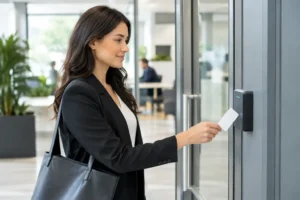
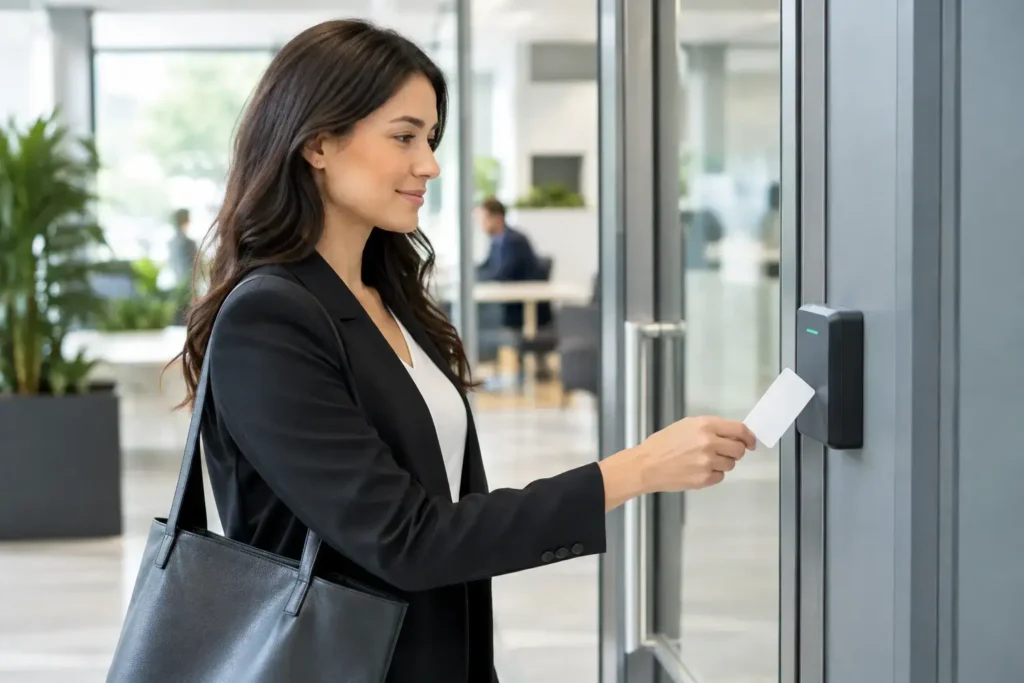
A locked office door can stop an entire workday before it starts. Staff may be waiting outside, clients may be due for a meeting, and important files or equipment may be inaccessible. Office access restoration is about getting authorized people back into the workplace quickly while making sure a lockout does not become a security problem.
For an office manager, tenant, or business owner, the right response is rarely just opening a door. You also need to know why access failed, whether keys or credentials are still secure, and whether the same issue could disrupt your business again tomorrow.
What office access restoration involves
Office access restoration means restoring authorized entry after a key, lock, door, or access control issue prevents normal access. The immediate objective is clear: regain entry with as little interruption and damage as possible. The longer-term objective is just as important: leave the premises properly secured once access has been restored.
The work can involve a conventional office door lock, a glass door lock, a master key system, a keypad, or a combination of door hardware. A professional locksmith assesses the door type, verifies authorization, and recommends the most practical solution for the situation.
Sometimes the answer is a careful lock opening service followed by a new key. In other cases, the lock is damaged, worn out, or compromised by a lost key, so replacement or rekeying makes more sense. The best option depends on the condition of the hardware and the reason for the lockout.
Common reasons offices lose access
A lockout is not always caused by a forgotten key. Office access problems often develop after a small issue has been ignored for too long.
Lost keys are one of the most common concerns. If the missing key could be traced back to your office, simply making another copy may restore convenience but leave a security risk behind. Rekeying or replacing the lock may be the safer choice because the missing key will no longer operate the door.
Damaged keys can also create an urgent problem. A bent key, a key that snaps inside the cylinder, or a key that turns without unlocking the door can indicate wear in the key or lock mechanism. Forcing it can cause more damage and increase repair time.
Office glass doors have their own issues. Their locks can become stiff, misaligned, loose, or damaged after repeated use. Because glass door hardware must be handled carefully, an attempt to force the lock or pry the door can result in costly damage beyond the lock itself.
Staff changes are another reason to review access. When an employee leaves, especially if company keys were issued, businesses should consider whether those keys need to be collected, whether locks should be rekeyed, and whether access levels should be changed. This is particularly relevant for offices using master key arrangements.
Fast entry should not mean rushed security
When people are locked out, the natural reaction is to get inside as fast as possible. Speed matters, but a good restoration service balances urgency with security. The technician should confirm that the caller has authority to enter the premises before work begins.
Once authorization is verified, the locksmith can inspect the lock and door condition. Non-destructive opening is usually preferred when the lock is serviceable and there is no indication of a security breach. It helps preserve existing hardware and can keep the repair cost lower.
However, non-destructive opening is not always the right answer. If a key has been stolen, the lock cylinder is compromised, or the mechanism is badly worn, retaining the same lock may create an avoidable risk. In those cases, replacing or rekeying the hardware is a more responsible solution.
The trade-off is straightforward. Opening the door only may be quicker and less expensive at that moment. Upgrading the lock or changing the keying may cost more, but it can prevent unauthorized access and another callout later.
Office access restoration for different door types
Commercial offices rarely have one standard door setup. A front entrance may use a glass door lock, while internal rooms, storerooms, server rooms, and management offices use different lock types. The restoration approach should match the door and the level of protection required.
Glass office doors
Glass doors are common in offices, retail spaces, clinics, and commercial units. Their locks may be fitted to the glass panel, floor, frame, or a combination of these points. Incorrect handling can affect door alignment or damage the glass, so specialist attention is worthwhile.
If the lock has failed, the technician can determine whether adjustment, repair, replacement, or a complete hardware change is needed. If the business is upgrading the entrance at the same time, the new lock should be suitable for the door thickness, traffic level, and daily operating needs.
Internal office and storeroom doors
Internal doors may seem less urgent, but they often protect confidential documents, stock, IT equipment, or staff belongings. A failed handle, jammed latch, or misplaced key can interrupt work just as seriously as a main entrance lockout.
For these doors, it may be practical to standardize keys where appropriate. Key-alike systems can allow selected doors to operate with one key, reducing the number of keys an office manager must track. This works well for smaller offices, but sensitive areas should usually have separate access.
Main entrance and high-security areas
A main office entrance needs to balance convenience for staff with control over who enters. Areas containing financial records, confidential client files, or valuable equipment may need tighter key management. A master key system can provide different access levels, allowing authorized managers to open several areas while limiting general staff access to only the doors they need.
Master key systems are useful, but they need careful planning. Too many copies, unclear records, or frequent unreported staff changes can weaken the system. A clear key issue process is as important as the lock itself.
What to do while waiting for a locksmith
Avoid forcing the handle, kicking the door, or using tools that can damage the lock, frame, or glass. What begins as a simple lockout can quickly become a door replacement issue if the hardware is forced.
Contact the person responsible for keys or access records if possible. Check whether there is an authorized spare key holder, building management contact, or another approved entry route. Do not ask an employee without proper authority to bypass office security for convenience.
Prepare details that help the locksmith respond efficiently: the office location, door type, whether it is a glass entrance or internal door, what happened before the lockout, and whether keys are missing or broken. Have proof of occupancy or authorization available. This allows the job to proceed safely and avoids unnecessary delays.
Preventing the next office lockout
Most office lockouts are preventable with basic maintenance and clear access procedures. Locks that become stiff, keys that require repeated turning, loose handles, and doors that scrape against the frame should be addressed before they fail completely.
Keep a controlled record of who holds keys, especially master keys. When staff leave, collect issued keys promptly and decide whether rekeying is necessary. If keys have been copied over time and no one knows how many are in circulation, replacing or rekeying may provide better control than continuing with the old setup.
It also helps to review your access arrangement when the office changes. A growing team may need more controlled key access. A new tenant sharing a space may need separate door security. An office with frequent visitors may benefit from a different entrance setup than one handling sensitive materials.
Pro-Smith and Lock provides on-site locksmith support for office lockouts, glass door lock work, lock replacement, key-alike systems, and master key solutions. With more than 14 years of experience, the focus is on restoring access promptly while recommending only the work that fits the condition of your door and your security needs.
When an office door will not open, act early and keep the response controlled. The right locksmith can get your team moving again, protect the premises, and help ensure that one access problem does not become a repeat disruption.