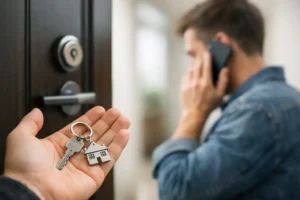
Losing your house keys rarely happens at a good time. It usually hits when you are carrying groceries, heading home late, or already rushing to work. If you need a tenant guide after lost house keys, the first priority is simple: get back inside safely, protect the property, and avoid making the problem worse with a rushed decision.
For tenants, this situation is not just about getting the door open. It also involves your lease, your landlord or property manager, and the security of everyone who has access to the unit. Sometimes a spare key solves it in minutes. Sometimes the right move is lock replacement on the same day. What matters is knowing which step comes first.
Tenant guide after lost house keys: start with the immediate risk
Before you call anyone, take a minute to assess what was actually lost. If the missing keys were on a plain keyring with no address, the risk may be lower. If they were attached to anything identifying your building, unit number, mailbox, or car, the risk goes up fast.
That detail changes the right response. A simple lockout is one thing. A possible security issue is another. If someone could connect the key to your home, you should treat it as more than an inconvenience.
Next, check whether this is truly a lost-key situation or a temporary lockout. Look in the obvious places first – your bag, work desk, jacket pocket, rideshare, and any recent stop. If you live with a roommate or family member, ask whether they are nearby with another key. If your building management office keeps a record of emergency access procedures, confirm what they can and cannot do.
Do not try to force the lock, pry the door, or use improvised tools. That often turns a simple entry job into damaged hardware, door frame repairs, and a more expensive fix.
Who should a tenant call first?
It depends on the lease and the urgency.
If you are locked out during normal business hours and there is no urgent safety issue, your landlord or property manager is usually the first call. Many rental properties have a standard process for lockouts, spare keys, or approved locksmith access. Following that process protects you from disputes over unauthorized work.
If it is after hours, if you have children inside, if cooking was left on, or if there is any safety concern, you may need emergency locksmith help immediately. In those cases, speed matters more than waiting for office hours. A professional locksmith can open the door with the least damage possible and advise whether the lock should stay, be rekeyed, or be replaced.
The key point is documentation. Even if you call a locksmith first because the situation is urgent, inform your landlord or property manager as soon as possible. Keep a record of the time, the reason, and the work done.
Check your lease before approving lock changes
A good tenant guide after lost house keys has to include the lease, because that is where many people get caught off guard.
Some leases allow tenants to handle lockouts but require written permission before changing locks. Others say the landlord must be given a new key immediately after any lock replacement or rekeying. In managed buildings, there may also be rules about specific lock types, fire-rated door requirements, or approved hardware brands.
This is why the answer is not always just change the lock right away. If the key was likely misplaced somewhere harmless and later recovered, a basic entry service may be enough. If the key is gone for good and linked to your address, replacing or rekeying the lock may be the smarter option even if it means getting landlord approval fast.
When in doubt, ask two questions clearly: can I authorize a locksmith to open the door now, and do you want the lock rekeyed or replaced if the keys are not recovered?
When lock replacement makes more sense than a door opening
A lockout and a security problem are not the same job.
If your keys were stolen, lost with identifying information, or missing along with a bag or wallet that contains your address, replacing or rekeying the main door lock is often the safer move. The same goes for shared housing where multiple copies may have been made over time and no one is fully sure who still has access.
If the lock is already old, sticky, loose, or unreliable, this can also be the right time to upgrade instead of paying only for entry. Many tenants think only in terms of getting back inside, but the bigger issue is whether the current hardware still makes sense once access control has been compromised.
In some apartments, rekeying is enough because the cylinder can be adjusted to work with a new key. In others, full replacement is more practical due to wear, compatibility, or landlord preference. A professional locksmith should explain the trade-off clearly. Rekeying is often more cost-effective when the existing lock is in good shape. Replacement is better when the lock is damaged, outdated, or not worth keeping.
What to expect from a professional locksmith
When you call for help, be ready to explain the door type, lock type if you know it, and whether this is just a lockout or a lost-key security concern. That helps the locksmith arrive with the right tools and replacement options.
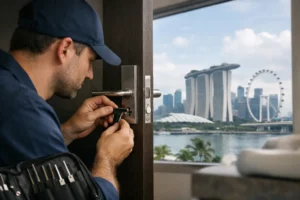
A proper service call should begin with identity and occupancy verification. That protects both you and the property owner. From there, the locksmith will usually assess whether non-destructive entry is possible. If the door can be opened cleanly, that is usually the best first outcome.
After entry, the next conversation is about security. If the lost keys may still be out there, leaving the same lock in place may not be the best choice. This is where an experienced mobile locksmith service is useful. Instead of opening the door and leaving you to solve the rest later, they can often handle the next step on-site, whether that means rekeying, replacing the main door lock, or cutting a fresh set of keys.
For tenants who want a practical fix without delays, that saves time and reduces the chance of another lockout.
Avoid these common mistakes after losing house keys
The first mistake is assuming the keys will probably turn up and doing nothing, even when there is a clear security risk. If your keychain makes your address easy to identify, waiting too long can leave the unit exposed.
The second mistake is using an unverified handyman or trying to solve it with a cheap online tool. Poor entry methods can damage the lock body, scratch the door, bend the latch, or create bigger repair costs than a proper locksmith visit.
The third mistake is forgetting the mailbox, gate, or side access point. If the same lost keyring included more than just the front door key, think beyond one lock. In some properties, access control involves a main gate, room door, mailbox, or digital door hardware that should also be reviewed.
The fourth mistake is failing to update the landlord. Even if the issue is resolved quickly, a missing paper trail can create problems later over reimbursement, duplicate keys, or approved hardware.
How tenants can reduce the chance of it happening again
Once you are back inside, take five minutes to set up a better backup plan. Keep one spare with a trusted person, not hidden outside near the door. If your landlord allows it, confirm how many copies exist and who has them. If you share the unit, make sure everyone knows what to do during a lockout.
It may also be worth discussing a lock upgrade if the current setup is outdated or easy to duplicate. Not every tenant can choose the hardware, but many landlords will approve a sensible security improvement when the reason is clear and the work is done professionally.
This is especially true if the old lock has already caused problems like stiff turning, misalignment, or repeated key issues. A lost key often exposes an older weakness that was already there.
A practical way to handle the next hour
If you are standing outside right now, keep it simple. Confirm whether a spare key exists, notify the landlord or property manager, and call a professional locksmith if the situation is urgent or no authorized access is available. Once the door is open, decide quickly whether this was only a lockout or whether the lock itself now needs to change.
That second decision is the one that protects you. Fast entry solves the immediate problem. The right follow-up keeps it from becoming a bigger one later.
If you need help from a local mobile locksmith, Pro-Smith and Lock handles emergency door opening, lock replacement, and practical security fixes with the kind of quick response tenants usually need when a bad day starts at the front door.
Losing your keys is stressful, but it does not have to turn into confusion. A calm, documented response usually gets you back inside faster and leaves the property more secure than it was before.