A lock usually gets attention only after it starts sticking, stops latching properly, or leaves you standing outside your own door. That is why the question “door lock brand best” comes up so often. People are not shopping for a logo. They are trying to avoid a bad night, a wasted trip, or a weak lock that fails when it matters.
For most homes and small offices, the best brand is not simply the most expensive one or the one with the flashiest packaging. It depends on your door type, how often the lock is used, whether you want a basic keyed setup or digital access, and how quickly parts can be replaced if something goes wrong. A strong lock on the wrong door, or a smart lock installed badly, can still become a problem fast.
How to judge the door lock brand best for your property
The right way to compare lock brands is to start with your daily use, not the catalog. A bedroom door, an HDB main door, a metal gate, a glass office door, and a mailbox all need different things. Some locks need stronger resistance against force. Others need smoother operation because they are opened many times a day.
A good brand should offer reliable internal parts, consistent key cutting, durable finishes, and models that suit local door conditions. That last point gets missed often. A lock can look excellent online and still be a poor fit for your door thickness, frame alignment, or existing cutout.
Price also needs context. A cheaper lock that wears out in a year can cost more once you add service calls, replacement labor, and the stress of dealing with another failure. On the other hand, not every home needs a premium commercial-grade setup. Sometimes a mid-range lock from a dependable brand is the smarter buy.
What matters more than brand name alone
Brand matters, but installation quality matters just as much. We see this often with main door lock replacement jobs. The customer assumes the lock is defective, but the real issue is poor alignment, a damaged strike plate, loose handles, or the wrong model fitted to the door.
That is why a practical comparison has to include three things at once: build quality, suitability, and support. Build quality tells you how well the lock is made. Suitability tells you whether it matches your door and usage. Support tells you whether you can get keys duplicated, parts replaced, or the whole lock serviced without a long delay.
If you are deciding between two decent brands, the better choice is usually the one that fits your door properly and can be maintained locally. That is a lot more useful than chasing a brand just because it is popular.
Common types of door lock brands on the market
Mechanical lock brands
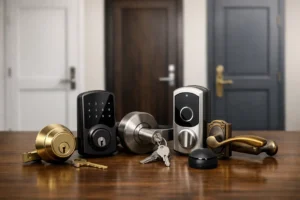
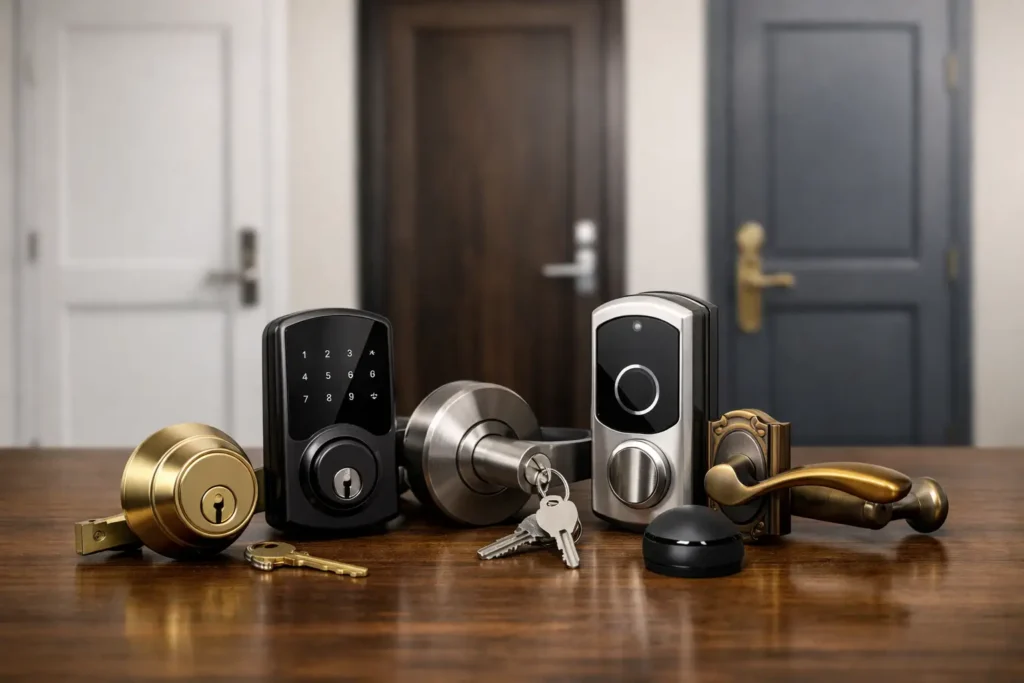
Traditional mechanical lock brands are still a strong choice for many homes and offices. They are straightforward, familiar, and often more affordable than digital systems. If you want dependable daily use without batteries, apps, or access codes, mechanical locks remain a practical option.
The trade-off is convenience. You have to manage physical keys, and if keys are lost or copied without permission, you may need rekeying or replacement. Still, for many entry doors, gates, room doors, and mailboxes, a good mechanical lock from a proven brand is more than enough.
Digital lock brands
Digital lock brands attract people who want keyless entry, faster access, and better control over who comes and goes. They make sense for busy households, rental units, and offices where key management becomes messy. Some models offer PIN codes, cards, fingerprints, or app-based access.
But digital locks are not automatically better. They cost more, need proper setup, and may require battery changes and occasional troubleshooting. If the door alignment is poor, even a high-end digital lock can become frustrating. For some users, convenience is worth it. For others, a solid mechanical deadbolt is the simpler and better long-term choice.
Commercial lock brands
Office doors, glass doors, storerooms, and shared-access areas often need brands designed for heavier traffic. These locks are built for more frequent use and may support master key systems, closer integration with access control, or stricter key management.
The mistake here is underbuying. A lock that works fine on a quiet home door may wear out quickly on a busy office entrance. Commercial use needs a different standard, especially when multiple users depend on the same door every day.
So, which door lock brand best fits each situation?
For a main entrance, the best brand is usually one known for strong deadbolts, reliable cylinders, and long-term durability. You want smooth daily operation, but also decent resistance against forced entry and wear. This is not the place to cut corners.
For bedroom or interior doors, the best choice is often simpler. You may not need a heavy-duty security lock. Privacy, ease of use, and affordable replacement tend to matter more. In these cases, paying extra for features you will never use does not make much sense.
For offices, especially glass door setups or shared workspaces, the best brand is one that handles repeated use and controlled access well. Durability and serviceability matter more than appearance. If a lock fails during business hours, it disrupts more than just one person.
For rental properties or homes with multiple users, brands that support rekeying, key alike systems, or digital access can make life easier. The right choice reduces key confusion and makes future changes less expensive.
Signs a lock brand is worth considering
A good lock brand usually shows its value over time, not on day one. The key turns cleanly. The latch catches without forcing the door. The finish holds up. Parts do not feel loose after a few months. These small details matter because they tell you whether the lock can handle daily use.
Another good sign is product range. Brands that offer multiple models for different doors tend to be more useful than brands with only one popular product. If your gate, main door, and interior doors all need attention, it helps when the brand has compatible solutions instead of forcing compromises.
You should also consider how easy it is to service. Can the cylinder be replaced? Are spare keys straightforward to manage? If the lock fails, will you need a full replacement or just an adjustment? A practical brand is one that does not create unnecessary trouble later.
When the best brand still fails
Even a strong brand can give trouble if the surrounding hardware is worn out. A swollen wooden door, a shifted frame, rusted screws, or a badly positioned strike plate can make a good lock feel faulty. This is why a proper assessment matters before replacing anything.
There is also the issue of unrealistic expectations. Some people install a digital lock expecting zero maintenance forever. Others buy a budget lock for a high-traffic door and expect commercial performance. The brand gets blamed, but the mismatch was there from the start.
A locksmith with real field experience will usually spot this quickly. Sometimes the answer is a better brand. Sometimes the answer is simply the correct lock type, better installation, or upgrading the whole door hardware setup instead of one part.
The smartest way to choose without wasting money
If you are comparing brands, start with the door and the problem. Is this a lockout issue, a replacement, a security upgrade, or just wear and tear? Is the door wood, metal, glass, or a gate setup? Do you need basic keyed entry, better access control, or something that can support multiple users?
Once those answers are clear, brand comparison becomes much easier. You can rule out models that are too weak, too complex, or simply not suited to the opening. That saves money and avoids the common mistake of buying first and figuring out fit later.
This is also where local locksmith advice helps. A fast-response service company like Pro-Smith and Lock sees what actually lasts in real use, not just what looks good in a product description. That practical experience matters when you need a lock that works reliably after installation, not just on the day it is bought.
The best lock brand is the one that suits your door, matches your usage, and can be supported properly when you need service. If you choose with that in mind, you are far more likely to end up with a lock that feels boring in the best possible way – it just works, every time.