You’re standing at the door, turning the key the way you always do, and suddenly nothing moves. If you’re thinking, why wont my key turn, the problem is usually more straightforward than it feels in the moment. The key, the lock, the door, or the alignment between them is off – and the right next step can save you from a broken key, a damaged lock, or a longer wait outside than you expected.
Why won’t my key turn in the lock?
A key that will not turn is usually caused by one of a few common issues. The key may be worn down. The lock cylinder may be dirty or partially jammed. The door may have shifted slightly, putting pressure on the latch or deadbolt. In some cases, the wrong key is being used, even if it looks almost identical to the right one.
This is why the problem can feel random. Yesterday the lock worked fine. Today it sticks, catches, or refuses to move at all. Locks often show small warning signs before they fail completely, but most people only notice once they are stuck outside a home, bedroom, office, or car.
If the key goes in but does not turn, avoid forcing it. That is the point where a simple issue can turn into a snapped key or a lock that needs full replacement.
The most common reasons your key won’t turn
A worn key is one of the most common causes. Over time, the cuts on a frequently used key become smoother. That small loss of shape can be enough to stop the pins inside the lock from lining up properly. This happens often with older house keys, mailbox keys, bedroom keys, and car keys that have seen years of daily use.
A misaligned door is another frequent issue. If the door has expanded from heat, shifted from use, or dropped slightly on its hinges, the lock may be under pressure. In that case, the key is not really the issue. The bolt is binding against the strike plate, so the cylinder cannot rotate the way it should.
Dirt and debris inside the lock can also stop movement. Outdoor gates, front doors, mailboxes, and older padlocks are especially prone to dust buildup. Even a small amount of grime inside the cylinder can interfere with the pins.
Sometimes the lock itself is failing. Internal parts wear out, springs weaken, and cylinders become stiff with age. When that happens, the key may insert normally but feel stuck halfway through the turn. That is usually a sign the lock needs professional attention rather than more pressure.
And yes, sometimes it really is the wrong key. In homes and offices with multiple similar keys, this happens more often than people expect.
What to try first when your key won’t turn
Start with the simplest possibility. Pull the key out and check that it is fully inserted the next time. Some locks need the key pushed in completely before the pins line up. Others work better with a slight pull back after insertion. A gentle adjustment can sometimes be enough.
Next, look at the key itself. If it looks bent, worn, cracked, or unusually smooth along the cuts, stop using it. A damaged key can still enter the lock but fail to turn properly. Worse, it can break inside the cylinder.
If this is a door lock, put light pressure on the door while trying the key again. Try pulling the door toward you or pushing it inward gently. If alignment is the issue, changing the pressure on the door can release the bind on the bolt.
If the lock feels dry or gritty, a proper lock lubricant may help. Use a product made for locks, not oil-based household sprays that attract more dirt over time. Spray lightly, insert the key, remove it, and try again with a gentle hand.
The key point is to stay patient. If the lock resists after a few careful tries, more force is not a better plan.
What not to do when you ask, why wont my key turn
Do not twist harder. A key is strong enough for normal use, but not strong enough to overcome a failing cylinder or a badly misaligned lock. Extra force often leads to a broken key lodged inside the lock, which turns a frustrating problem into an urgent one.
Do not keep jiggling aggressively. Light movement is one thing. Repeated hard shaking can wear the lock further or damage the key blade.
Do not use glue, random metal tools, or makeshift methods inside the keyway. These often create more damage and make proper repair slower and more expensive.
Do not ignore repeated sticking. If your key only turns after several tries, the lock is already telling you something is wrong. Waiting until it fails completely usually means dealing with the problem at the worst possible time.
House, office, and car locks can fail differently
Front door locks often have alignment issues, especially on frequently used doors or doors exposed to weather. You may notice the key works better when the door is slightly open. That usually points to pressure between the bolt and the frame rather than a key problem.
Bedroom and interior door locks are more likely to fail from wear, especially in rental properties or shared homes where locks get heavy daily use. These locks may feel loose one week and seize the next.
Office glass door locks can develop turning issues from hardware wear or slight movement in the door setup. Because these systems are often more specialized, forcing them can become costly quickly.
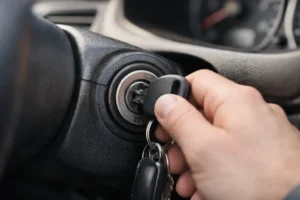
Car locks are their own category. A car key may not turn because the steering wheel is locked, the key is worn, the ignition cylinder is damaged, or the vehicle is not fully in park. In modern cars, chip key issues can also confuse the situation, especially if the key turns poorly or inconsistently.
When it’s time to call a locksmith
If the key will not turn after a few careful attempts, it is usually time to stop and get help. The same applies if the key is bending, the lock is spinning oddly, the door feels jammed, or you suspect internal damage.
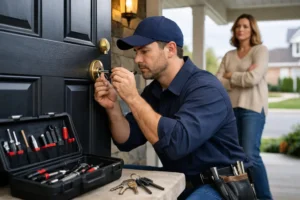
A locksmith can quickly tell whether the issue is the key, the cylinder, the door alignment, or the full lockset. That matters because the fix is not always replacement. Sometimes a lock can be serviced, realigned, or rekeyed without changing the entire setup.
For lockouts, speed matters. For non-emergency issues, early service often saves money. A stiff lock that gets repaired today is usually cheaper than an emergency opening plus replacement after a full failure.
For customers dealing with home, office, mailbox, or car lock issues, a mobile locksmith service like Pro-Smith and Lock can diagnose the problem on-site and handle the repair without sending you from one shop to another.
How to reduce the chances of it happening again
If your key is old, get a fresh copy made from a good original before the wear becomes a problem. If the lock has been sticking for months, treat that as maintenance, not a minor annoyance. Replacing a tired cylinder before it fails is often the more practical move.
Keep outdoor locks clean and use the right lubricant occasionally, especially on gates, front doors, and mailboxes exposed to dust and moisture. If a door rubs, sags, or needs extra force to close, fix the alignment early. Many lock issues begin with the door, not the lock itself.
And if you manage a property or office, pay attention to any lock that users describe as tricky. Locks rarely improve on their own.
A key that won’t turn is annoying, but it is also useful information. It tells you something is out of place before the lock fails completely. Handle it calmly, avoid forcing it, and get the right fix before a small problem turns into a broken key, a damaged lock, or a lockout at the worst time of day.