You usually realize you need a guide to car key replacement at the worst possible moment – when you are late for work, stuck in a parking lot, or staring at a snapped key in your hand. In that moment, you do not need technical jargon. You need to know what your options are, how long it may take, and who can fix the problem without making your day harder.
Car key replacement sounds simple until you find out there are several types of keys, different programming needs, and big differences between a dealership and a mobile locksmith. Some cases are straightforward. Others depend on your car model, whether all keys are lost, and if the key includes a transponder chip, remote buttons, or a smart proximity function.
What car key replacement actually includes
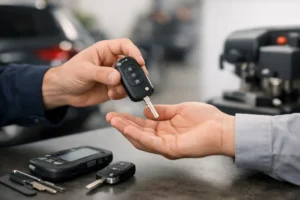
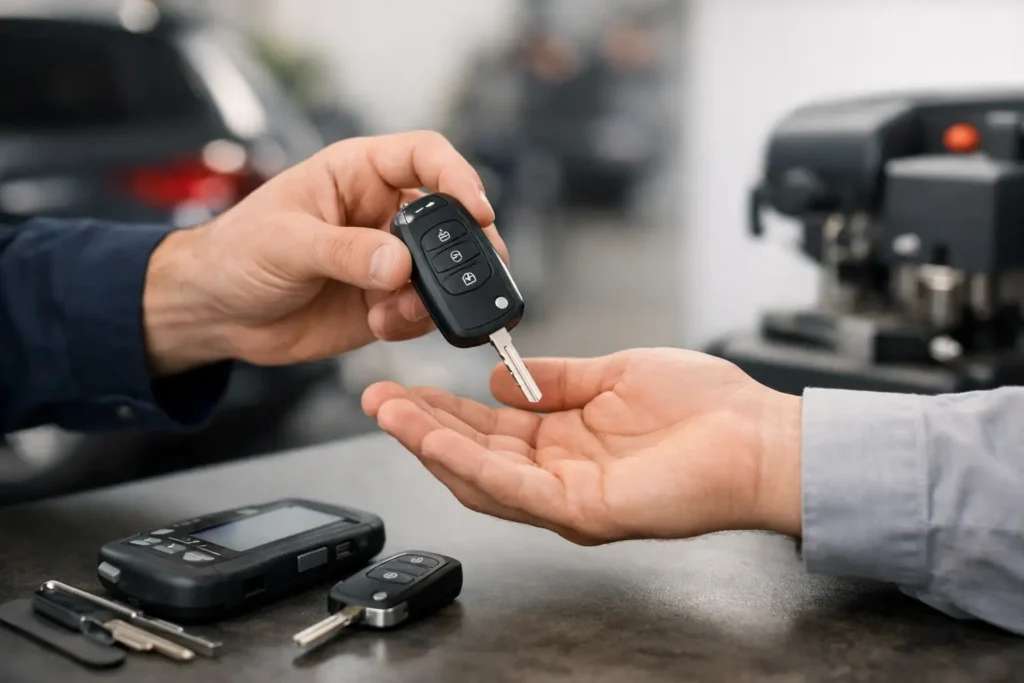
A replacement is not always just cutting a new piece of metal. For older vehicles, that may be enough. For many modern cars, the job can also involve chip programming, remote syncing, or smart key setup so the vehicle recognizes the new key and starts normally.
That is why two people can both ask for a new car key and get very different quotes and timelines. A basic mechanical key is one level of work. A laser-cut key with a chip or a push-start smart key is another. The right solution depends on what your vehicle uses and what has happened to the original key.
A guide to car key replacement by key type
The fastest way to understand the process is to start with the type of key you have. That usually determines the price, tools, and time required.
Basic mechanical keys
These are the simplest keys, usually found on older cars. If there is no chip inside, replacement is mainly about cutting the key to match the lock and ignition. This is often the quickest and least expensive option.
Transponder keys
A transponder key has a chip inside the head of the key. Even if the blade turns in the ignition, the car may not start unless the chip is properly programmed. This is where professional equipment matters. A poorly copied key may open the door but fail when you try to drive.
Remote key fobs
Some keys combine a metal blade with remote lock and unlock buttons. In these cases, replacement may involve both cutting the key and programming the remote functions. If your buttons stopped working but the blade still starts the car, you may not need a full replacement. Sometimes the issue is battery-related, casing damage, or internal wear.
Smart keys and proximity keys
These are common in newer vehicles with push-button start. They are more convenient, but they are also more expensive to replace. Programming is more involved, and not every provider handles every make and model on-site. When all smart keys are lost, the job can take longer because the system may need to be reset before a new key can be paired.
When you need car key replacement
Lost keys are the most obvious reason, but not the only one. Many drivers call after a key snaps in the door, the remote stops responding, or the key casing falls apart. Water damage, worn buttons, chip failure, and bent blades are also common.
There is also the security issue. If your key was stolen, replacement should not be treated the same as a simple spare key request. In that case, it may be safer to disable old keys from the vehicle system when possible, so the missing key can no longer be used. That adds a step, but it gives better protection.
Locksmith or dealership?
This is one of the biggest decisions in any guide to car key replacement. Both options can work, but they are not equal in every situation.
A dealership may be the default choice for some drivers, especially with very new or highly specialized vehicles. But dealerships often require towing if you cannot access or start the car, and the process may take longer than people expect.
A mobile locksmith is usually the more practical option when speed matters. If the locksmith has the right tools for your vehicle, they can often cut and program the key on-site. That saves time, avoids towing costs, and gets you moving sooner. For everyday drivers dealing with a lockout, lost key, or broken key, that convenience matters.
The trade-off is simple. Some vehicles are straightforward for on-site service, while others are more restricted by manufacturer systems. A reliable locksmith will tell you clearly what can be done at your location and what depends on the make, model, and year.
What affects the cost?
There is no single flat rate for every car key replacement because the work varies so much. The main factors are the type of key, the car brand and model, whether programming is needed, and whether you still have a working key.
If you still have one working key and only want a spare, the process is usually easier and less costly. If all keys are lost, the locksmith may need to generate a key from the vehicle lock or database information, then program it from scratch. That takes more time and more specialized equipment.
Time of day can also matter. Emergency service at night, on weekends, or in a parking garage may cost more than a planned daytime appointment. That does not mean you should wait if you are stranded. It just means the quote should reflect the urgency and complexity of the job.
How long does it take?
For a basic key, replacement can be relatively quick. For a transponder or remote key, the process takes longer because programming has to be completed and tested. Smart keys may take longer still, especially if no working key is available.
The biggest delay often comes from incorrect assumptions. Many customers think every key can be duplicated the same way. It cannot. A professional will first identify the key type, check the vehicle details, and confirm whether the replacement can be completed on-site. That short verification step prevents wasted time and failed attempts.
What to do before help arrives
If you are locked out or have lost your key, start with the basics. Check whether you have access to a spare. Confirm your exact vehicle make, model, and year. Look around the vehicle carefully in case the key was dropped nearby rather than fully lost.
If the key is broken, keep every piece. Even a damaged key can help with decoding and replacement. If your remote stopped working, do not assume the entire key is dead. A battery problem or internal damage may be the real issue, and that can sometimes change the repair path.
It also helps to have your identification and proof of vehicle ownership ready. A legitimate locksmith should verify that the vehicle belongs to you before making a new key.
How to avoid repeat problems
Once you have gone through the trouble of replacing a car key, it makes sense to reduce the chances of doing it again soon. The easiest step is getting a spare key while you still have a working one. It is almost always simpler and cheaper than replacing everything after total key loss.
Take care of the key itself too. Heavy keychains can strain the ignition and wear out the key head over time. Dropping a smart key repeatedly can damage the internal electronics even if the outer shell still looks fine. If buttons feel loose or the casing cracks, deal with it early before the key fails completely.
Choosing the right help
When you need fast service, it is tempting to call the first name you see. But a better choice is a locksmith who is clear about what they handle, how quickly they can respond, and whether they can replace and program your specific key type on-site.
Look for practical signs of reliability: experience with automotive lock work, clear communication, realistic arrival times, and straightforward pricing. If a provider avoids specifics or promises every car can be done instantly, be cautious. Good locksmith work is efficient, but it is also honest about limits.
For drivers who want a calm, professional fix instead of more stress, that matters. Companies like Pro-Smith and Lock built their reputation on exactly that kind of response – showing up, identifying the problem properly, and getting people back into their vehicles without unnecessary delay.
A lost or broken key can throw off your whole day, but it does not have to become a drawn-out problem. The right replacement starts with knowing what type of key you have and calling someone who can solve it where you are, with the right tools and a clear plan.