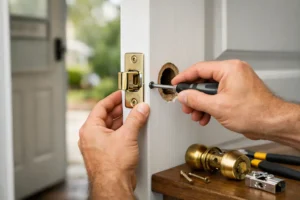
Your mailbox usually gets ignored until the key stops turning, the lock jams, or you move into a place and realize someone else may still have a copy. If you are wondering how to replace mailbox lock hardware without damaging the box, the good news is that many standard mailbox locks are simple to change – but only if you know what to check first.
A mailbox lock looks small, but it protects sensitive documents, bank statements, replacement cards, and personal information. That is why speed matters when the lock is broken or the key is missing. In some cases, a quick DIY replacement works fine. In others, the smarter move is to get a locksmith to handle it cleanly and avoid damage to the mailbox door.
When mailbox lock replacement makes sense
Most people do not replace a mailbox lock unless something goes wrong. The most common trigger is a lost key, but that is not the only reason. If you just moved in, changed tenants, had mail security concerns, or the lock feels loose or rough, replacement is often the safer option than trying to keep using an unreliable cylinder.
Wear is another common issue. Mailbox locks are exposed to heat, dust, moisture, and constant use. Over time, the key may stick, the cam may stop lining up properly, or the lock may rotate inside the panel. Once that starts happening, forcing it usually makes things worse.
If the mailbox belongs to a managed property, check first whether the landlord, HOA, USPS, or building management controls the lock. That part matters. Some mailbox locks are privately maintained, while others are part of a larger community mailbox system and may need approval before replacement.
How to replace mailbox lock: what to check first
Before buying a replacement, open the mailbox and inspect the lock from the inside. Most standard mailbox locks are cam locks. That means there is a threaded body passing through the door and a flat metal tailpiece, called a cam, secured at the back.
The first thing to check is size. The replacement has to match the mailbox door thickness and the lock body length. If the cylinder is too short, it will not seat properly. If it is too long, the cam may not tighten correctly and the lock can wobble.
You also need to check the cam style. Some cams are straight, some are offset, and some use different hole positions. A lock that fits the hole but uses the wrong cam may still fail to latch the door.
If the current lock is damaged and you cannot identify the size, remove it first and bring it with you when buying the replacement. That saves guesswork.
Tools you may need
For a standard mailbox lock change, the job is usually simple. Most people need a pair of pliers or an adjustable wrench, a flathead screwdriver, and the new lock set with keys, cam, clip, and nut.
Sometimes the retaining clip is tight or rusty, so needle-nose pliers help. If the old lock is jammed, you may need extra care to avoid bending the mailbox door. That is where many DIY attempts go off track.
Removing the old mailbox lock
Open the mailbox first. If you still have a working key, turn it to the open position so the cam clears the frame. From the inside of the door, locate the retaining hardware at the back of the lock. Depending on the model, this may be a clip or a nut.
If it is a clip, slide it off carefully with pliers. If it is a nut, loosen it while holding the front of the lock steady. Once the retainer is off, remove the cam and any spacer washers, then slide the cylinder out from the front.
This is the point where you should pause and compare parts. Keep the old lock, cam, and spacers in the order they came off. That makes it much easier to install the new one the same way.
If the key is missing and the mailbox cannot be opened, replacement gets harder. You may need the lock picked or drilled first. Drilling sounds simple, but on a small mailbox door it is easy to slip, scratch the surface, or damage the surrounding panel. If the mailbox is part of a shared unit, that risk is usually not worth taking.
Installing the new lock correctly
Insert the new cylinder through the front hole of the mailbox door. Make sure the keyway sits straight. From the back, fit any spacer that came with the lock, then attach the cam in the correct orientation.
This is the part that decides whether the door actually locks. Before tightening everything fully, test the turn of the key. The cam should rotate smoothly and line up with the mailbox frame so it secures the door without scraping.
Once the alignment looks right, install the retaining clip or tighten the nut. Do not overtighten. Mailbox doors are often made of thin metal, and too much force can bend the panel or make the lock bind.
Test the lock several times with the door open first, then closed. You want smooth turning, solid latching, and easy key removal. If the key sticks, the cam may be too tight or slightly misaligned.
Common problems during a mailbox lock replacement
Even a basic lock change can turn into a frustrating job when the parts do not match. One common problem is buying a lock with the wrong cylinder length. Another is installing the cam backward. In both cases, the key may turn but the mailbox still will not lock properly.
Rust can also slow things down. Older mailbox hardware may seize in place, especially if it has not been touched for years. Pulling too hard can warp the compartment door.
There is also the issue of key retention. Some locks only allow the key to come out when the cam is in a certain position. If you install the cam at the wrong angle, the lock may technically work but feel wrong in daily use.
That is why mailbox lock replacement is less about force and more about fit. A clean job depends on correct sizing, proper alignment, and a gentle hand.
When to skip DIY and call a locksmith
If the mailbox is locked shut, the key is broken inside, the old lock is spinning freely, or the mailbox door is already bent, getting professional help usually saves time. The same goes for cluster mailboxes, commercial properties, or situations where you need the lock changed quickly after lost keys or tenant turnover.
A locksmith can identify the right cam lock, open the mailbox with less risk of damage, and replace the hardware on-site. That matters when you do not want to make multiple trips for parts or guess at measurements.
For property managers and busy homeowners, the biggest benefit is simple: the job gets done fast and the mailbox is secure again the same day. Companies like Pro-Smith and Lock handle this kind of work regularly, which means fewer delays and fewer mistakes.
Choosing the right replacement lock
Not every mailbox needs a high-security upgrade, but the replacement should still be durable. Look for solid metal construction, smooth key operation, and the correct cam setup for the door. Cheap locks can feel fine on day one and fail quickly with regular use.
If mail theft is a concern, ask about better-quality cylinders rather than grabbing the cheapest option available. A stronger lock will not solve every mailbox security issue, but it can reduce the chance of easy tampering.
It also helps to get at least two keys and store the spare somewhere safe. Many mailbox lock problems start with a missing key, not a failed lock.
A few practical tips after the replacement
Once the new lock is installed, use it gently for the first few cycles and make sure the door closes without pressure. If you need to slam the compartment shut to get it to lock, something is off.
Keep the key clean, avoid forcing it when the mailbox door is under tension, and replace the lock early if it starts sticking again. Small warning signs usually come before a full failure.
A working mailbox lock should not be something you have to fight with. If the replacement feels uncertain, loose, or rough, it is better to fix it now than deal with missing mail and a jammed door later.