A car lockout can happen in seconds: the keys are sitting on the seat, the door closes, and you are left outside with no easy way back in. If you need to retrieve keys from a locked car, the priority is protecting yourself, your vehicle, and your schedule. A rushed attempt with improvised tools can turn a straightforward lockout into damaged glass, bent door frames, or an expensive repair.
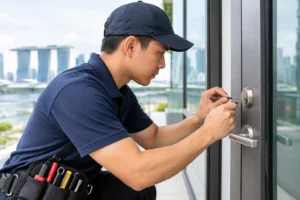
The practical answer is to stay calm, check the safe options available to you, and call a professional when you need prompt access. For drivers in Singapore, a mobile automotive locksmith can often come to your location and help you get back into your vehicle without unnecessary damage.
How to Retrieve Keys From a Locked Car Safely
Start by checking every door, the trunk, and any door that may have been left partially closed. This sounds obvious, but it is worth taking a slow walk around the vehicle before making calls or trying anything else. If you have a spare key nearby, a trusted family member, or access to your car manufacturer’s app, those may be the quickest solutions.
If the keys are visible inside and the car is parked safely, avoid forcing your way in. Modern vehicles have sensitive door seals, electronic locking components, side airbags, and window mechanisms located close to the door frame. Even a small mistake can create a bigger problem than the original lockout.
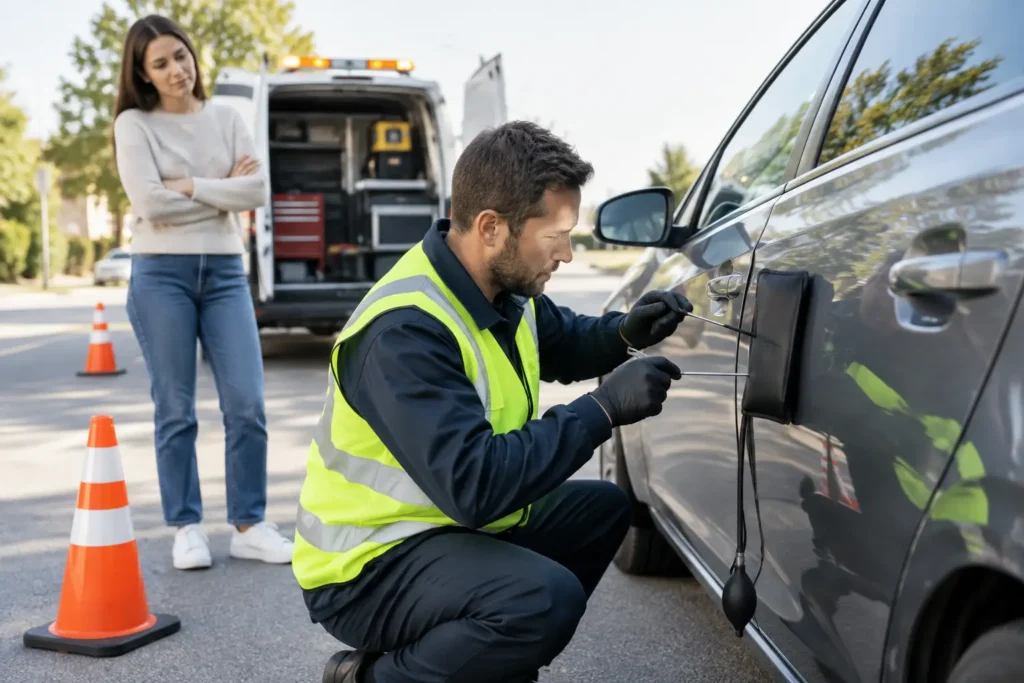
A professional locksmith will assess the vehicle type, lock system, key type, and the safest access method. This matters because a method suitable for one older vehicle may be completely unsuitable for a newer car with electronic locks or advanced security features.
Check for an Immediate Safety Risk First
Not every car lockout should be handled as a routine service call. If a child, elderly passenger, pet, or anyone needing medical attention is locked inside the vehicle, treat it as an emergency. Call emergency services immediately, particularly if the weather is hot, the vehicle is in direct sunlight, or the person inside appears distressed.
The same applies if the car is stopped in an unsafe location, such as along a busy road, in a traffic lane, or in an isolated area late at night. Move yourself to a safer place if possible, remain visible, and seek urgent assistance. The keys can be replaced. Personal safety cannot.
For a standard lockout in a safe parking area, a locksmith is usually the most direct option. Give clear details about your location, vehicle make and model, whether the keys are inside, and whether you have any form of identification or proof that the vehicle belongs to you.
Why DIY Car Entry Often Costs More
It is tempting to search for a quick way to open a car door yourself, especially when you are late for work, waiting outside a mall, or stranded after a long day. However, online advice often leaves out the cost of getting it wrong.
Trying to pry a door open can damage weather stripping and misalign the frame. A coat hanger, wire, or other makeshift item can scratch the paint, tear interior trim, interfere with electronic wiring, or damage the locking mechanism. Breaking a window may seem like a last-resort answer, but replacing automotive glass can be costly and leaves your car exposed until repairs are completed.
There is also the issue of vehicle security. Many newer cars use deadlocks, proximity keys, immobilizers, and electronic systems that are not designed to be manipulated through the door. A failed DIY attempt can make professional entry more difficult and may affect parts that need to be repaired afterward.
The lower-cost decision is often to call for proper help early, before damage is done. A trained locksmith brings the right equipment and experience to assess the situation rather than relying on trial and error.
What a Mobile Car Locksmith Can Help With
Car lockouts are not all the same. Sometimes the key is locked inside. In other cases, the key has been lost, the remote battery has failed, the key has snapped, or the lock is no longer responding as it should. A capable automotive locksmith can identify the actual issue instead of treating every situation as a simple door-opening job.
Depending on the vehicle and situation, service may include non-destructive car entry, assistance with damaged or malfunctioning locks, replacement key support, or advice on the next step when an electronic key system is involved. The correct approach depends on your car’s make, model, year, and security setup.
Expect a legitimate locksmith to verify ownership before providing access. Having your driver’s license, vehicle registration, insurance details, or other proof available can help avoid delays. If your documents are locked inside the car, explain that clearly when you call. The locksmith can advise you on what identification will be needed once access is restored.
At Pro-Smith and Lock, the focus is on practical, on-site assistance for drivers who need a professional response without added stress. An experienced locksmith should explain what can be done, provide clear expectations, and handle your vehicle with care.
What to Do While You Wait for Help
Once you have arranged assistance, take a few simple steps to make the wait safer and smoother. Stay close enough to identify the vehicle, but do not stand in traffic or in an unsafe area. If it is dark, wait in a well-lit public place nearby when possible.
Keep your phone charged and audible so the locksmith can reach you upon arrival. Have the vehicle’s make, model, color, plate number, and exact parking location ready. Large car parks can be confusing, so include the level, zone, landmark, or nearest entrance if you know it.
If your remote key stopped working before the lockout, mention that as well. A weak key fob battery can look like a more serious problem, and that information helps the locksmith prepare. Do not repeatedly press the remote from a distance in the hope that it will suddenly work. Instead, save the battery and describe the symptoms accurately.
Avoid These Common Mistakes During a Car Lockout
The most common mistake is assuming force will save time. It rarely does. Damage to a door, window, weather seal, or lock can leave you paying for both emergency access and repairs.
Another mistake is accepting help from someone who cannot clearly identify themselves or explain what they are doing. Your car is valuable, and access should only be provided by a reputable service professional who checks ownership and communicates professionally.
Be cautious about leaving the vehicle unattended for long periods in an open or unfamiliar area. If you must step away to find shelter, notify the locksmith and keep your phone on. Finally, do not leave a spare key hidden on the exterior of the car after this incident. Common hiding places are familiar to thieves and can put your vehicle at greater risk.
Reduce the Chance of Another Lockout
A few small habits can prevent a repeat situation. Keep a spare key with someone you trust or store it securely at home. If your vehicle supports a digital key or manufacturer app, set it up before you need it and make sure you know how it works. Replace a weak key fob battery before it fails completely.
It also helps to pause before closing the door. Make a quick habit of checking that the key is in your hand, pocket, or bag. For drivers who regularly carry groceries, work equipment, children, or multiple bags, this brief check can save a great deal of time later.
A locked car is frustrating, but it does not have to become a costly ordeal. Choose the safe route, protect your vehicle from avoidable damage, and get qualified help when you need it. The right response can have you back on the road with far less disruption than you expect.