
A new lock may feel like a simple security upgrade after moving into a rental home. But changing it without permission can create problems at move-out, delay emergency access, or lead to a dispute over your security deposit. Tenancy lock rules are usually set by the tenancy agreement, so renters and landlords should agree on the work before a locksmith starts.
For tenants, the goal is simple: feel secure in the property without breaching the terms of your rental. For landlords and property managers, it is about protecting the unit, maintaining authorized access, and avoiding unnecessary damage to doors, gates, or lock hardware. A clear conversation and proper lock work can prevent a small concern from becoming an expensive one.
What Tenancy Lock Rules Usually Cover
There is no single rule that fits every rental property. A condominium unit, HDB flat, landed home, office suite, and room rental can all have different terms. The tenancy agreement is the first document to check, especially sections covering repairs, alterations, handover conditions, and access rights.
Many agreements require the tenant to obtain written approval before replacing a main door lock, installing a digital lock, rekeying cylinders, or adding hardware such as a door viewer, latch guard, or supplementary deadbolt. This does not mean a tenant cannot raise a legitimate security concern. It means the owner should know what is being changed and how access will be managed.
Rules may also address who pays. If a lock fails through ordinary wear, the landlord may be responsible for repair or replacement. If a tenant loses keys, damages the lock, or requests an upgrade for personal preference, the tenant may need to bear the cost. The exact answer depends on the agreement and the condition of the existing lock.
When a Tenant Should Ask Before Changing Locks
Always ask first when the work affects the main entrance, a common gate, mailbox, storeroom, bedroom door supplied with the property, or any lock that the landlord needs to access. Written approval is best. A short message confirming the reason for the change, the type of lock being installed, who will pay, and how keys will be handled gives both sides a record.
This is especially important if you have just moved in and are concerned that previous occupants, contractors, cleaners, or agents may still have keys. Rekeying or replacing the cylinder can be a sensible security step, but do not assume you can do it without notice. Ask the landlord whether they prefer a new cylinder, a full lock replacement, or a key collection arrangement.
If the property uses a master key system, changing one lock without coordinating with the owner can affect access across the premises. This is more common in offices, rental rooms, and some managed properties. A locksmith can assess the setup and explain whether a replacement can be made without disrupting the existing key system.
Emergency Lockouts Are Different
A tenant locked outside the home needs help quickly. In that situation, the first priority is safe entry with minimal damage. Keep proof that you live at the address available, such as identification, a tenancy document, or confirmation from the landlord or managing agent.
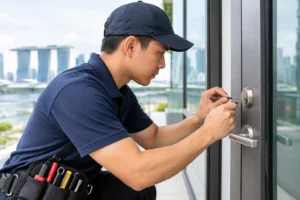
After the door is opened, do not automatically replace the lock unless there is damage, a lost key risk, or written authorization. Often, a professional locksmith can open the door non-destructively and keep the existing lock in service. That is usually the fastest and most affordable solution.
Landlord Access and Spare Keys
Landlords often need a way to access a rental unit for agreed repairs, inspections, emergencies, or handover. Tenants also deserve privacy. The practical answer is not for either party to hold all the control, but to agree on access clearly from the start.
If the lock is replaced, confirm whether the landlord will receive a spare key, when it may be used, and whether notice is required except in a genuine emergency. Do not leave this as a verbal assumption. A message confirming the arrangement can avoid arguments later.
For digital locks, access needs extra attention. Ask who will hold the administrator code, whether temporary PINs can be issued to contractors, and what happens when the tenancy ends. A digital lock is convenient, but it should not leave the landlord unable to secure the property or leave the tenant concerned that old codes remain active.
Choose Lock Changes That Do Not Damage the Door
Rental properties should be returned in good condition, allowing for normal wear and tear. Drilling new holes, enlarging an existing cutout, changing the backset, or fitting hardware that does not match the door can result in repair charges at move-out.
Before approving an upgrade, consider the door material and existing hardware. A wooden main door, metal gate, glass office door, aluminum frame, and fire-rated door all require different methods and compatible locks. The cheapest lock is not always the lowest-cost choice if it leaves visible damage or needs to be replaced again when you move out.
A professional locksmith can often recommend a replacement that fits the existing door preparation. This helps preserve the door, reduces installation time, and makes handover easier. If you are installing a digital lock, ask whether the existing mechanical lock can be retained, whether new drilling is required, and whether the original hardware should be stored for reinstatement.
Keep the Original Lock and Hardware
When a tenant installs a preferred lock with permission, keeping the original cylinder, handles, screws, strike plate, and keys is a smart move. Label the parts and store them somewhere secure. Unless the landlord agrees that the upgrade will remain, the original hardware may need to be reinstalled before the tenancy ends.
This small step can protect your deposit. It also gives the landlord confidence that the unit can be returned to its original condition without hunting for discontinued parts or mismatched hardware.
Lost Keys, Damaged Locks, and Security Concerns
A lost key is not always a lock replacement situation. If the key cannot be connected to the property address, a spare key may be enough. But if keys are lost together with identification, an access card, or information that reveals where you live, rekeying or replacing the lock is the safer choice.
Tell the landlord or agent immediately, particularly if the lost key provides access to a common gate, mailbox, or building area. The cost may be the tenant’s responsibility, but quick action matters more than trying to avoid an uncomfortable conversation.
If the lock is sticking, loose, misaligned, or difficult to turn, report it before forcing the key. A failing lock can leave you locked out or trapped inside, and continued use can turn a small adjustment into a full replacement. Take a photo or video of the issue and keep a record of when you reported it.
In cases involving suspected unauthorized entry, attempted break-in, or a damaged door, preserve the area as much as possible and notify the relevant parties. A locksmith can secure the door and replace compromised hardware, but the landlord should be informed promptly.
A Practical Checklist Before Move-Out
Before returning the property, test every key, remote, access card, mailbox key, gate key, and digital lock code. Make sure no personal PINs or fingerprints remain in a digital lock. If you changed any hardware during the tenancy, check the written agreement to confirm whether it stays or must be restored.
It is also wise to document the final condition of the locks and doors with clear photos. This is useful for both sides if there is a later question about damage, missing keys, or the condition of the original hardware. Hand over every agreed item at the same time and ask for confirmation that they were received.
Get the Right Help for Rental Lock Work
Rental lock work should solve the security problem without creating a tenancy problem. Whether you need a lost key solution, a lock repair, a main door lock replacement, mailbox lock service, or help after a lockout, explain that the property is rented before work begins.
Pro-Smith and Lock can assess the existing lock, advise on a practical replacement option, and carry out on-site work with care for the door and hardware. For urgent situations, fast professional assistance can help you regain access and secure the property while you sort out the approval and key arrangements.
A good rental lock decision is one both tenant and landlord can live with: secure access now, clear records, and no unpleasant surprises when it is time to move.