A lot of homeowners get interested in smart locks right after a small but frustrating moment – lost keys, a tenant move-out, a child coming home before the parents, or a front door lock that simply feels outdated. That is why smart lock trends for homes are getting real attention now. People are not just looking for a newer gadget. They want better control, fewer lock-related headaches, and a practical upgrade that actually fits daily life.
For most homes, the question is no longer whether smart locks are available. The real question is which features are worth paying for, and which ones create more trouble than convenience. If you are thinking about upgrading your main door, gate, bedroom, or rental unit, these are the trends that matter most.
Smart lock trends for homes are getting more practical
A few years ago, smart locks were often marketed like luxury tech. Now the market is shifting toward everyday use. Homeowners want a lock that opens reliably, works with the kind of door they already have, and does not become a problem during a battery issue, app failure, or internet outage.
That change is a good thing. It means newer smart lock options are being designed around real household needs instead of novelty. The strongest trend is not flashy technology. It is practical control.
App access is now expected, not impressive
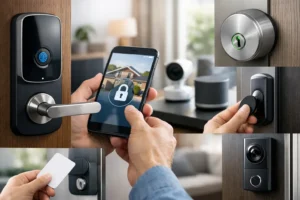
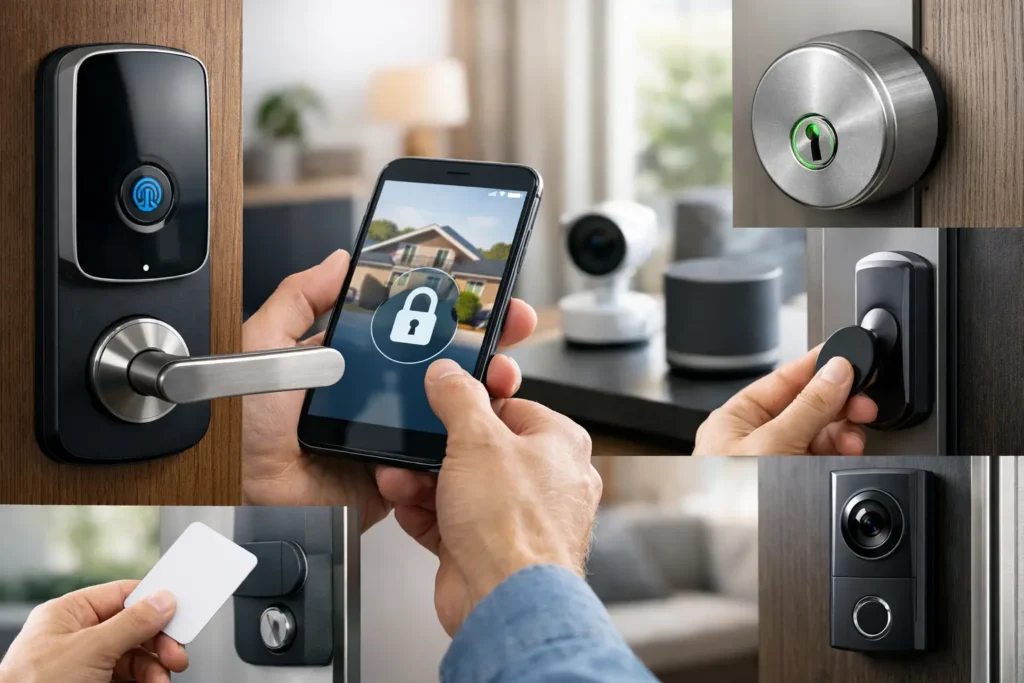
Remote access used to be the standout feature. Now it is close to standard. Many homeowners expect to lock or check their door from a phone, receive basic activity alerts, and create temporary access for family members, guests, or service providers.
The benefit is obvious. You do not need to copy extra keys, hide one outside, or wonder whether the door was locked after leaving home. But this only works if the app is stable and easy to use. A smart lock with a confusing app can become more annoying than a regular deadbolt.
That is why installation and model selection matter. Not every app-controlled lock is equally reliable, and not every household needs the same level of remote access.
Keyless entry is replacing spare-key habits
One of the clearest smart lock trends for homes is the move away from physical key sharing. Keypads, fingerprint readers, and phone-based access are reducing the old habit of making multiple spare keys for children, relatives, helpers, or tenants.
For busy households, this solves a very common problem. People come and go at different times, and keys get misplaced, copied, or forgotten. A code or fingerprint can be faster to manage than a ring of keys.
Still, there is a trade-off. Biometric access can be convenient, but some users prefer a keypad because it is simpler and easier to explain to guests or older family members. Fingerprint readers also vary by quality. On some models they are quick and accurate. On cheaper models, they can be inconsistent.
More homeowners want smart locks that still work like normal locks
This is one of the most important shifts in the market. People want modern access options, but they also want a backup plan. That means smart locks with physical key override, emergency power options, and dependable manual operation are becoming more appealing than fully digital-only setups.
This is especially relevant for main doors. When a lock protects your primary entry point, convenience matters, but reliability matters more. If the battery runs low, the software acts up, or the Wi-Fi is down, you still need a safe and straightforward way to get in.
A good locksmith will usually recommend looking at the whole setup, not just the smart feature list. The lock body, door alignment, door material, and existing hardware all affect long-term performance.
Retrofit models are gaining interest
Not every homeowner wants to replace the entire lockset. Retrofit smart locks are getting more popular because they can work with some existing door hardware while adding app control or motorized locking on the inside.
That can reduce installation complexity and preserve the outside look of the door. For apartments, condos, and certain rental situations, that is appealing. It may also be a better fit where building appearance rules or door limitations matter.
But retrofit does not mean universal fit. Door thickness, lock type, and clearance still need to be checked. A professional assessment can save time and prevent buying a lock that does not suit the door.
Smart locks are being chosen with the whole entry setup in mind
Another trend is that homeowners are thinking beyond the front door lock alone. They are considering the gate, the door closer, the handle set, and even whether the strike plate and frame are strong enough.
This is the right approach. A smart lock can improve access control, but it does not automatically fix a weak entry setup. If a gate latch is loose or the door is misaligned, the smartest lock on the market will still struggle.
In many homes, the best upgrade is a combination of convenience and mechanical improvement. That might mean replacing worn hardware first, then installing a compatible smart lock that can operate smoothly without strain.
What homeowners are prioritizing now
The most useful smart lock trends for homes are driven by simple priorities: easier access, better control, and lower stress. Homeowners are not shopping like tech reviewers. They are asking practical questions.
Will it be easy for the family to use every day? Will it work during a lockout or low-battery situation? Can access be changed quickly after a tenant leaves or a helper changes? Will it fit the door properly without creating new problems?
Those questions are shaping buying decisions more than brand hype.
Temporary and scheduled access is a major selling point
This feature is especially useful for rental units, home offices, cleaners, dog walkers, and visiting relatives. Instead of handing over a permanent key, the homeowner can create a code that works for a set period or on certain days.
That adds convenience, but it also improves control. If access needs to be removed, it can be changed quickly without rekeying the whole lock. For landlords and property managers, this is one of the strongest reasons to consider a smart lock upgrade.
It does depend on the property and the people using it. In a household with very simple needs, scheduled access may be unnecessary. But in homes with frequent visitors or shared occupancy, it can be a genuine advantage.
Better-looking locks are winning over bulky designs
Early smart locks often looked oversized and obviously electronic. Newer models are getting cleaner, slimmer, and more in line with modern home design. That matters more than some people expect.
A front door is one of the first things people see, and many homeowners do not want it dominated by a bulky keypad or awkward battery housing. Manufacturers are responding with more refined finishes and lower-profile designs.
Of course, appearance should not come before function. A sleek lock that performs poorly is not a good buy. But when homeowners can get both, they usually prefer a model that blends in with the home rather than drawing attention to itself.
Professional installation matters more as features increase
As smart locks become more advanced, installation errors become more costly. A slightly misaligned deadbolt, weak door frame, or incorrect fit can lead to poor locking, battery drain, or repeated access issues.
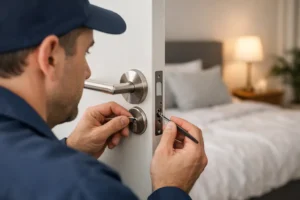
That is why many homeowners still prefer a locksmith instead of treating smart lock installation as a simple DIY project. The lock itself may be smart, but the door still needs proper mechanical setup. A professional can also explain which features are actually useful and which ones are not worth the extra cost.
For example, a family home may benefit from a dependable keypad and key override more than complex smart home integrations. On the other hand, a short-term rental may benefit more from remote code changes and access logs. It depends on the property, the users, and the level of control needed.
At Pro-Smith and Lock, this is the kind of decision we see often. The best result usually comes from matching the lock to the door and the household, not choosing the model with the longest feature list.
The best trend is simpler, safer access
The most meaningful change in this market is not that locks are getting smarter. It is that homeowners are becoming more selective. They want a lock that helps them get back inside faster, manage access more easily, and feel more secure without adding confusion.
That is a healthy trend. Smart locks should make home access easier, not more complicated. If you are considering an upgrade, focus on fit, reliability, backup access, and how the lock will be used in real life. The right choice is usually the one that solves a daily problem before it tries to impress you with extra features.